AI Pet Health Monitors Actually Catch Problems Your Vet Might Miss

It was 11:23 p.m. on a Tuesday when the alert came through — not from a frantic yelp or labored breathing, but from a small disc clipped to a collar. The app flagged an irregular resting heart rate pattern in a seven-year-old Labrador named Cooper. By the next morning, his owner was at the vet. By Thursday, Cooper had a diagnosis: early-stage atrial fibrillation. His cardiologist said catching it that early probably bought him two or three extra years.
That story belongs to a friend of mine in Austin. She’d been using one of the newer AI-powered pet health monitors for about four months mostly out of curiosity, not urgency. Cooper seemed fine. Energetic, ate well, did his ridiculous zoomies every evening. There was nothing to flag — except the data said otherwise.
Here’s the thing most people get wrong about these devices: they treat them as fancy Fitbits for dogs, useful for tracking steps and sleep out of mild curiosity. That framing undersells what’s actually happening. The real value isn’t fitness tracking. It’s anomaly detection in a patient who can’t describe symptoms. Your dog won’t tell you his heart skipped. Your cat won’t say she’s been breathing faster than usual for the past three nights. The AI notices what you can’t, and — done right — it surfaces that information before it becomes an emergency room visit.
1. What These Devices Actually Measure (and What They Don’t)
AI pet health monitors track physiological signals continuously — typically heart rate, respiratory rate, activity level, sleep quality, and in some devices, skin temperature and caloric burn. The AI layer isn’t just logging numbers; it’s building a baseline specific to your pet and then flagging deviations from that baseline. A resting heart rate of 80 bpm might be normal for one dog and a red flag for another.
Most wearable monitors attach to a collar or harness. Some are small enough that most dogs and cats adapt within a day or two. Others — particularly stationary home sensors — sit near a pet’s sleeping area and use motion analysis to track respiration without any contact at all.
What they don’t do: they don’t replace blood work, imaging, or physical examination. They can’t detect internal masses, kidney enzyme levels, or dental disease. Think of them as a continuous triage layer, not a diagnostic replacement. A good device gives your vet a two-week history of your pet’s heart rate variability walking into an appointment. That’s something a ten-minute office visit can never replicate.
2. The Baseline Problem — Why Your Vet’s Snapshot Isn’t Enough
Veterinary appointments are snapshots. A stressed dog in an exam room often shows elevated heart rate and respiratory rate — what some vets informally call “white coat effect” — which can mask or mimic symptoms. A 90-second EKG during a visit might catch an arrhythmia, or it might catch nothing if the arrhythmia is intermittent.
This is the structural gap these devices fill. Industry data suggests that intermittent cardiac events in pets — arrhythmias, episodes of labored breathing, overnight respiratory spikes — are among the most commonly missed conditions in routine checkups, precisely because they don’t perform on cue. A monitor running 24/7 over several weeks doesn’t have that problem.
One veterinary cardiologist I came across in a case study noted that when owners bring in two weeks of continuous heart rate data, it changes the entire diagnostic conversation. You’re not guessing anymore. You’re working with evidence.
3. A Real Four-Week Case: The Cat Who “Seemed Fine”
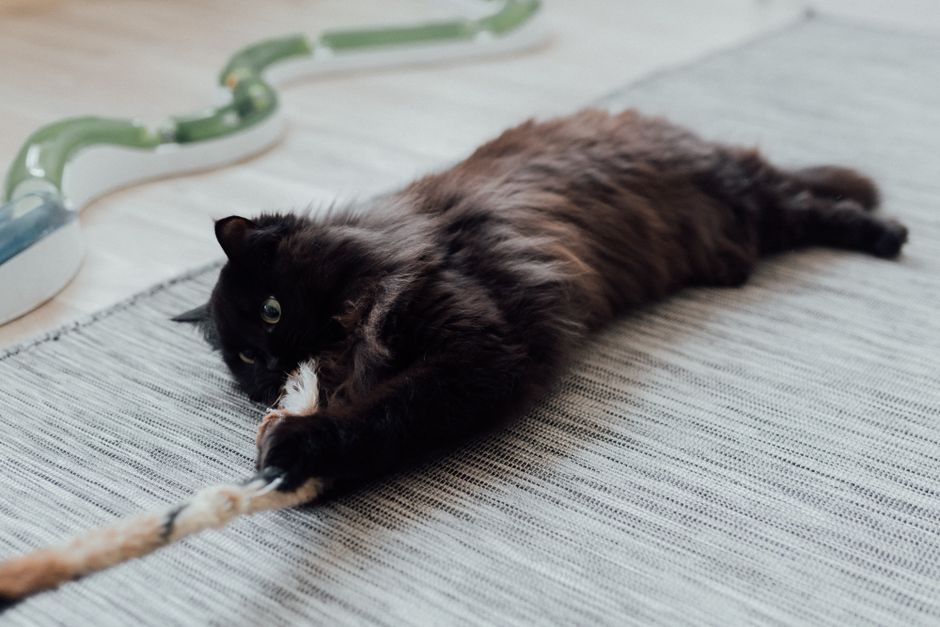
A colleague in Portland adopted a nine-year-old rescue cat named Maren. Standard adoption physical: healthy. No issues flagged. She put a lightweight monitor on Maren mostly because the rescue had mentioned Maren was “a little older” and she wanted peace of mind.
Week one: unremarkable. Maren slept 16 hours a day (normal for a senior cat), had a resting respiratory rate that sat consistently around 24 breaths per minute.
Week three: the app flagged that Maren’s resting respiratory rate had crept up to 32 breaths per minute over the past five days, consistently, during sleep. No other symptoms. Still eating. Still purring. Still doing that thing where she knocked things off the shelf at 3 a.m.
The vet found early congestive heart failure. Caught at that stage, it’s manageable with medication. Caught six months later — when Maren stopped eating or started struggling visibly — it might not have been.
The imperfect part of this story: the app also sent three false alerts in that same month. Once for “unusual activity” that turned out to be Maren wrestling with a paper bag. Twice for minor overnight movements that the algorithm initially flagged as anomalies before correcting itself. Noise is real. You learn to read the signal over time, not panic at every notification.
4. What Actually Shows Up Before Your Vet Visit That Changes the Outcome
The monitors with the strongest track records tend to surface these specific patterns ahead of a diagnosis:
- Elevated resting respiratory rate — one of the earliest indicators of fluid buildup in heart or lung conditions, often detectable weeks before visible symptoms
- Heart rate variability shifts — subtle changes in beat-to-beat timing that can indicate cardiac stress, pain, or early systemic illness
- Sleep disruption — a pet that suddenly starts waking up frequently overnight may be experiencing discomfort that doesn’t show during daytime activity
- Activity decline patterns — not a single slow day, but a gradual 20–30% reduction over two or three weeks that’s easy to rationalize day by day but obvious in a trend graph
- Nighttime respiratory spikes — especially relevant for brachycephalic breeds (bulldogs, pugs, Persian cats) where nighttime breathing issues often precede serious airway events
Each of these on its own might mean nothing. The AI’s job is to combine them, compare them against your pet’s individual baseline, and surface the pattern early enough to matter.
5. What Doesn’t Work — Four Approaches People Try That Fall Short
I’ll be direct here, because there’s a lot of noise in this category.
Buying a device and never checking the app. This sounds obvious, but a surprising number of people treat the monitor as a “set and forget” insurance policy. The device is only useful if someone actually reviews trends weekly and doesn’t just wait for push notifications. Passive ownership defeats the purpose.
Using step-count as the primary health signal. Activity tracking is the least clinically useful metric in these devices. A dog can lose 30% of cardiac function and still go on walks. Cardiac and respiratory data are what matter. If you’re primarily watching steps, you’re watching the wrong number.
Replacing vet visits with monitor data. I’ve seen this logic online and it’s dangerous. These devices exist to improve vet visits, not skip them. The data is most valuable in a vet’s hands alongside physical examination, blood panels, and imaging. A monitor can tell you something is wrong; it can’t tell you what.
Panicking at every alert. Algorithms flag anomalies, and some percentage of those flags will be false positives. A single elevated respiratory rate reading at 2 a.m. after your dog chased a squirrel at 9 p.m. is not an emergency. Context matters. Sustained trends over three to five days matter more than any single data point.
6. Choosing a Device: The Questions That Actually Matter
The market has expanded significantly through 2025 and into 2026. There are collar-mounted wearables, harness-integrated sensors, and non-contact home monitors designed for cats or older animals who resist wearing anything. Before choosing, ask:
- Does it measure respiratory rate? This is non-negotiable for cardiac and respiratory health monitoring. Devices that only track activity are fitness trackers, not health monitors.
- Does the AI build a personalized baseline? Generic thresholds (e.g., “alert if heart rate exceeds 120”) are less useful than a system that learns your specific pet’s normal range over two to four weeks.
- Is the data shareable with your vet? Some platforms generate PDF reports formatted for veterinary review. That’s a practical feature that actually affects outcomes.
- What’s the battery life and collar weight? For small cats or toy breeds, a heavy sensor is a non-starter. Most quality devices now run three to seven days per charge.
- Is there a subscription fee? Many devices charge $10–$20/month for the AI analysis layer. That’s usually where the real value lives — the hardware without the software is just a pedometer.
7. What to Do With the Data Once You Have It
The most underused feature in most of these platforms is the trend export. Before your pet’s next annual wellness exam — or any appointment — pull a 30-day report. Print it or email it to your vet’s office ahead of time. A vet who walks in having already reviewed two weeks of respiratory rate trends and activity data can ask sharper questions, order targeted diagnostics, and skip the guesswork that fills most of a routine appointment.
If your vet isn’t familiar with reading monitor data yet, that’s okay — and honestly, increasingly rare. Veterinary practices around the country have been integrating wearable data into their intake workflows, and most veterinary cardiologists treat it as a standard part of a cardiac workup now.
The data is also useful in reverse: after a diagnosis and treatment, it’s how you verify that the medication is actually working. If your dog starts heart medication and his resting heart rate drops from 145 to 90 over two weeks, that’s visible in the app. That’s information.
Start Here — Three Small Actions This Week
You don’t need to overhaul anything. If you already have a device, open the app tonight and look at your pet’s resting respiratory rate trend over the past two weeks — not a single reading, the trend line. That one number, sustained above normal range during sleep, is the earliest cardiac warning signal these devices catch.
If you don’t have a device and your pet is over seven years old — which is considered senior for most breeds — put researching one on your list for this week. Not buying, just reading two or three reviews of current options. Twenty minutes of research now versus an emergency vet bill later is not a close call.
And the next time you go in for a wellness visit, ask your vet directly: “If I brought in two weeks of continuous heart rate and respiratory data, would that be useful to you?” The answer will tell you everything about how to use these tools together. Most vets will say yes — and that conversation alone is worth the visit.



Publicar comentário