How to Keep Your Senior Dog’s Joints Healthy Without Breaking the Bank
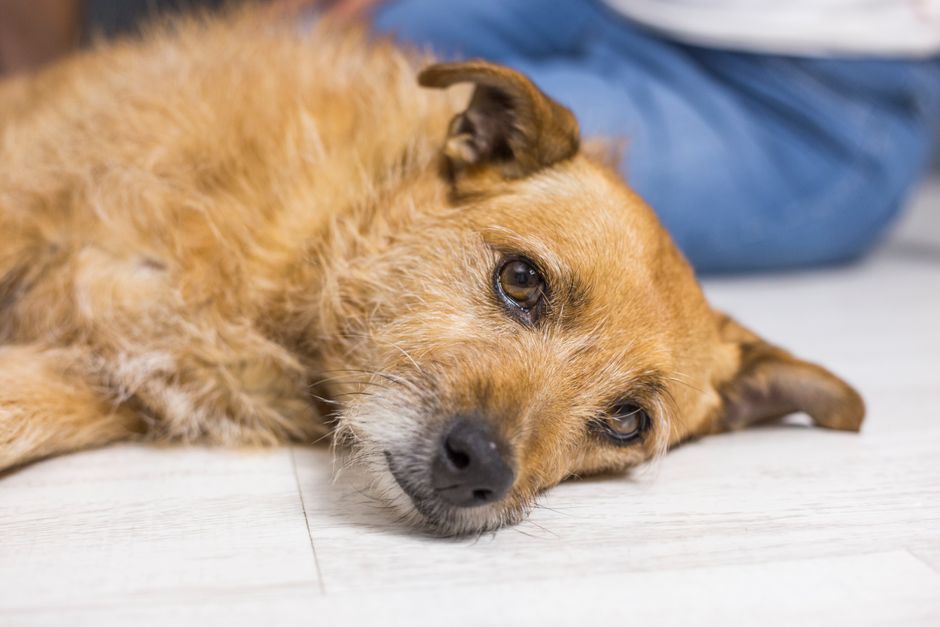
My dog Biscuit — a 10-year-old golden retriever mix — stopped jumping into the back of my truck one Tuesday morning in February. He just stood there, looking up at me with those soft brown eyes, tail wagging but body refusing. That was the moment I realized his joints were struggling, and that I had no real plan for it. A vet visit confirmed what I suspected: early osteoarthritis in both hips. The quote for a full treatment protocol? Just over $400 a month if I followed every recommendation on the sheet they handed me.
Here’s the thing nobody tells you upfront: the problem with senior dog joint care isn’t that solutions don’t exist — it’s that the industry is designed to make you buy everything at once, whether your dog needs it or not. Supplements stacked on top of prescriptions, specialty foods, acupuncture sessions, underwater treadmills. Some of it works. A lot of it is noise. And if you’re like most people I know, you can’t spend $400 a month on your dog’s joints without something else suffering. So you need to know what actually moves the needle — and what you can safely skip.
1. Weight Is the Single Lever That Costs Almost Nothing
The most impactful thing you can do for a senior dog’s joints is keep them lean. Carrying even a few extra pounds dramatically increases the mechanical load on cartilage that’s already thinning. Veterinary research has consistently shown that overweight dogs develop arthritis earlier and experience faster joint deterioration than dogs maintained at a healthy body weight — some estimates suggest that even a 10–15% reduction in body weight can meaningfully reduce lameness scores in arthritic dogs.
Biscuit was about 7 pounds over his ideal weight when we got his diagnosis. I didn’t buy a new food brand. I just measured what I was already giving him — turned out I’d been eyeballing portions and consistently overfeeding by about 20%. I bought a $9 digital kitchen scale and started weighing his kibble. That’s it. Over 14 weeks, he dropped 5 pounds, and his movement noticeably improved before I added a single supplement.
Run your fingers along your dog’s ribcage. You should feel each rib without pressing hard, but not see them. If you can’t feel ribs without digging in, your dog is likely carrying extra weight that’s working against their joints every single day.
2. Movement Matters — But the Type of Movement Is Everything
Short, consistent walks beat sporadic long ones. A dog with joint pain who gets a 45-minute hike on Saturday after five sedentary days will be limping by Sunday. That pattern — the “weekend warrior” effect — inflames tissue that hasn’t warmed up gradually. What joints actually need is low-impact, predictable movement that keeps synovial fluid circulating and muscles supporting the joint without overloading it.
For Biscuit, I shifted from two longer walks to three shorter ones: about 15 minutes each, same time every day. No off-leash sprinting. No stairs if I could help it. Swimming, if you have access to it, is genuinely excellent — the buoyancy reduces joint stress while still building muscle. Not everyone lives near a dog-friendly lake or can afford a rehab facility with an underwater treadmill, but a calm creek, a kiddie pool, or even a calm lake in summer can do real work.
Concrete or asphalt isn’t ideal on sore joints. Grass or dirt paths are noticeably gentler. When I started routing our morning walk through the park instead of the sidewalk, Biscuit was less stiff at the end of it. Small change, zero dollars.
3. The Supplement Question: What’s Actually Worth Buying
Walk into any pet store and you’ll face an entire wall of joint supplements promising relief. Glucosamine and chondroitin are the most common. Fish oil — specifically for its omega-3 fatty acids — has meaningful anti-inflammatory evidence behind it. Beyond those two, the evidence gets thin fast.
Glucosamine and chondroitin have mixed results in human studies, but many vets and dog owners (myself included) report real improvement in dogs — possibly because dogs absorb these compounds differently, or possibly because the studies in dogs are less rigorous. The honest answer is: the evidence isn’t airtight, but the risk is low and many dogs respond well. A mid-tier glucosamine/chondroitin supplement for a large dog runs about $25–$40 for a 60-day supply. That’s the floor of what I’d consider starting with.
Fish oil is the one I’d prioritize first if I had to choose. The omega-3s — specifically EPA and DHA — have solid anti-inflammatory support. A bottle of high-quality fish oil capsules appropriate for a 70-pound dog costs around $15–$20 per month. Liquid fish oil can be cheaper per dose if your dog tolerates it on food.
I tried a turmeric-based supplement for about three months. Biscuit’s coat looked great. His joints? I honestly couldn’t tell the difference. That doesn’t mean it doesn’t work for other dogs, but I stopped buying it once the bottle ran out and noticed nothing change.
4. The Floor Situation Nobody Talks About
Here’s a detail that doesn’t make it onto most joint care lists: slippery floors are quietly making your dog’s joint pain worse. When a dog with weak or painful hips walks on hardwood or tile, their back legs splay slightly with each step to catch traction. That constant micro-compensation strains the hip and stifle joints repeatedly throughout the day — inside your own house, without you noticing.
Yoga mats, rubber-backed rugs from a home goods store, or even foam puzzle mats (the kind sold for kids’ playrooms) placed along your dog’s main walking routes can make a real difference. I put a $12 rubber mat from a hardware store under Biscuit’s food bowl and along the hallway he travels most. His gait on those surfaces is visibly more confident. This cost me under $30 total and took 20 minutes to set up.
5. When to Actually Call the Vet — and What to Ask For
None of this replaces a veterinary assessment. If your dog is limping, vocalizing pain, reluctant to stand up, or showing sudden behavioral changes, you need a vet — not a supplement. Untreated pain causes stress, and chronic stress compounds inflammation. That’s a loop you can’t break with fish oil.
When you do go, ask specifically about NSAIDs labeled for dogs — not human ibuprofen or aspirin, which can cause serious GI and kidney damage in dogs. Veterinary NSAIDs like carprofen or meloxicam are commonly prescribed for arthritis pain and can be genuinely life-improving for dogs in moderate to severe discomfort. Some vets also discuss gabapentin for nerve-related joint pain. These aren’t permanent solutions, but for a dog who’s clearly uncomfortable, managing pain first gives everything else — the weight loss, the exercise, the supplements — a better chance to work.
Ask about a joint health recheck at your dog’s next annual visit rather than scheduling a separate appointment. Most practices can incorporate basic joint assessment into a routine exam without adding a separate consult fee.
6. What Doesn’t Work — An Honest List
I want to be direct here, because the pet wellness market is full of expensive things that feel productive but aren’t.
- Grain-free or raw diets marketed as “anti-inflammatory” for joints: The research doesn’t support a strong link between grain-free feeding and improved joint outcomes in most dogs. If your dog has a confirmed grain sensitivity, that’s different. But switching to a $90 bag of raw food because the packaging says “joint support” is mostly marketing.
- Massage videos as a substitute for real veterinary rehab: Gentle massage can be soothing and bonding. It is not physical therapy. Canine rehabilitation therapists — yes, they exist — use specific protocols for specific joint problems. A YouTube video is not the same thing. If you want real rehab work, look for a certified canine rehabilitation practitioner (CCRP) in your area.
- Stacking supplements without a plan: I’ve met dog owners spending $120/month on five different supplements — joint chews, collagen powder, CBD oil, a probiotic, and a “senior blend.” There’s no logic to the combination, no baseline to measure against, and no way to know what’s helping. Pick two, give them 60 days, then evaluate.
- Rest as the main treatment: “Just let him rest” is the most common advice I heard from well-meaning people, and it’s partly wrong. Complete rest leads to muscle atrophy, which removes the muscular support that joints rely on. Controlled, gentle movement is almost always better than stillness.
7. A Real Week With Biscuit — With the Messy Parts Included
I want to show you what this actually looks like, because the clean version doesn’t prepare you for reality.
On a typical week, Biscuit gets three 15-minute walks, his kibble weighed every meal, fish oil on his food every morning, and a glucosamine chew at night. That’s the plan. Here’s what actually happened last week: Tuesday it rained hard and he refused to go past the front porch, so that walk didn’t happen. Thursday I ran out of fish oil capsules and didn’t realize until dinner. Friday my daughter gave him a large piece of her hot dog bun, which he absolutely did not need calorically.
None of that derailed anything. He’s still down 5 pounds from his peak. He still gets into the truck — with a small ramp I found secondhand for $18 — without hesitation most mornings. The program doesn’t need to be perfect. It needs to be consistent enough that the wins outnumber the misses by a reasonable margin.
He had one bad morning last month — stiff getting up, slow on the stairs — and I gave him a dose of the prescription NSAID his vet had authorized for flare days. By afternoon he was following me around the kitchen like his old self. That’s what having the right tools ready looks like.
The Three Things to Do This Week
You don’t need a full plan today. You need three small moves that cost almost nothing and take less than 30 minutes total.
- Weigh your dog’s food at their next meal. Use a kitchen scale. Compare what you’ve been giving to the feeding guide on your bag. If you’ve been eyeballing, you’re probably overfeeding.
- Put one non-slip surface down on your dog’s main walking route indoors. A rubber-backed bath mat, a yoga mat, a foam tile — anything that gives their back feet traction. Watch how they walk on it versus off it.
- Start fish oil at the dose appropriate for your dog’s weight. Ask your vet to confirm the dose at your next visit, but the risk of starting a standard omega-3 supplement is very low, and the potential upside is real. Most dogs take it fine mixed into their food.
Biscuit is 10. He’s probably got a few more years in him if I do my part. The goal isn’t to reverse aging — it’s to make the years he has as comfortable and mobile as possible, without going broke doing it. That’s a realistic target. And it starts with a kitchen scale and a rubber mat, not a $400-a-month protocol.


Publicar comentário