The Reptile Pets Taking Over American Homes Right Now
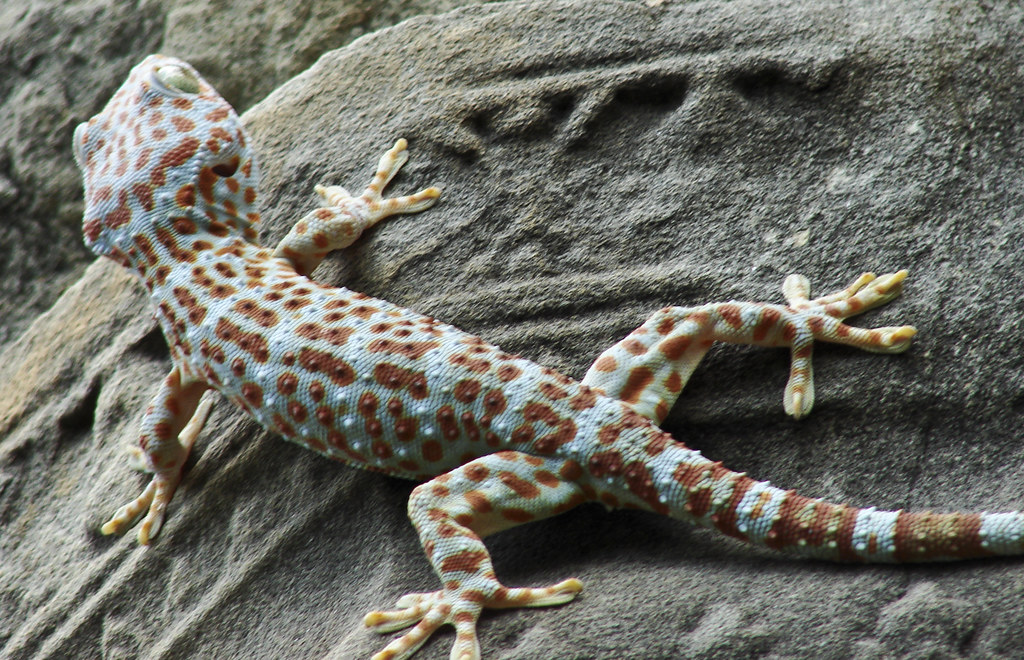
Walk into any mid-sized pet store in the country right now and something has quietly shifted. The dog food aisle is still the longest, sure. But near the back — past the aquariums, past the ferret cages — there’s a section that’s tripled in size over the last two years. Terrariums stacked four high. Heat lamps. Substrate bags. And a line of people that, honestly, looks nothing like what you’d expect: a college student, a retired teacher, a dad with a seven-year-old on his shoulders asking about “the orange one.”
Reptiles are having a moment. Not a niche, hobbyist-forum kind of moment. A mainstream moment.
But here’s the thing most trend pieces miss: the surge isn’t really about reptiles. It’s about what reptiles offer that dogs and cats no longer do for a big chunk of Americans — specifically, a pet that fits inside a 500-square-foot apartment, doesn’t bark at 2 a.m., doesn’t trigger the building’s no-pet clause, and costs less than $80 a month to maintain once you’re set up. The conversation has been framed as “exotic pet curiosity.” The real story is housing costs, smaller living spaces, and a generation of people who still desperately want a living creature to come home to.
Industry data from recent market analyses suggests the reptile pet category has grown significantly year over year, with trade publications in the pet industry reporting double-digit percentage increases in reptile-related product sales. That tracks with what you see on the ground — and online. Search interest for specific species has spiked in ways that would’ve seemed absurd five years ago.
So which animals are actually trending, and what does it actually take to keep them? Let’s be specific.
1. Leopard Geckos: The Animal That Broke Into the Mainstream First
If you’ve spent any time on reptile-keeping communities online, you already know leopard geckos have been popular for years. What’s different now is who’s keeping them. First-time owners. People who’ve never had a reptile. People who saw a short video of someone feeding one a cricket and thought, “I could do that.”
And honestly? They’re not wrong. Leopard geckos are probably the most forgiving entry point in reptile keeping. They don’t need UVB lighting the way many other species do. They’re crepuscular — most active around dusk and dawn — so they fit naturally into a working person’s schedule. A 20-gallon tank, a heat mat regulated by a thermostat (this part matters more than most beginners realize), some hides, and a dish of mealworms or crickets, and you’ve got a setup that works.
The catch nobody mentions upfront: they live 15 to 20 years in captivity. That’s a commitment most people are not mentally prepared for when they’re standing in a pet store on a Saturday afternoon. I’ve watched people impulse-buy a gecko and then spend the next month frantically reading care sheets because the animal stopped eating — which is normal during shed, by the way, but terrifying if no one told you.
Morph breeding has also pushed demand. Breeders have developed hundreds of color and pattern variations — tangerine, blizzard, enigma, eclipse — and that collector mentality has pulled in a whole new audience who cares as much about aesthetics as husbandry.
2. Ball Pythons: The Snake That Converted a Generation of Snake-Skeptics
Ball pythons have been the best-selling pet snake in the U.S. for a long time. But the 2025–2026 cycle has pushed them to a new level of cultural visibility. You see them on lifestyle channels, in apartment tour videos, draped over someone’s shoulders during a podcast recording. They’ve become, weirdly, a status-adjacent pet.
The appeal is real. A healthy adult ball python is docile, moves slowly, and — unlike many snakes — tends to curl into a ball rather than bolt when it feels stressed. They cap out around 3 to 5 feet for most females, which is manageable. Their enclosure requirements are straightforward once you understand the basics: temperatures between 80–90°F on the warm end, a cool side around 76–80°F, humidity kept between 60–80%, and appropriately sized hides.
What drives people away after the honeymoon phase: feeding. Ball pythons are notorious for going on hunger strikes that can last weeks or months. Some keepers have dealt with animals that refused food for six months straight — and were perfectly healthy the whole time. If you need a pet that eats on a reliable schedule to feel like things are okay, a ball python will test your nerves.
The morph market here is even more intense than leopard geckos. A basic “normal” ball python might cost $50–$80 at a reptile expo. A high-end designer morph from a reputable breeder? Easily $300–$1,500 or more. Some rare combinations have sold for several thousand dollars. It’s a legitimate collector’s market, and it drives a significant portion of the demand.
3. Crested Geckos: The Low-Maintenance Favorite That Quietly Exploded
Crested geckos nearly went extinct in the wild. That’s not an exaggeration — they were thought to be extinct until a rediscovery in the early 1990s. Today they’re one of the most commonly kept lizards in the U.S., which is one of the stranger conservation ironies in the hobby.
Their appeal in 2026 is almost entirely practical. They thrive at room temperature — typically 68–78°F — which means most people in temperate U.S. climates don’t need supplemental heating for most of the year. They can eat a commercially prepared meal replacement powder (several brands make it specifically for crested geckos) alongside occasional live insects, which simplifies feeding considerably compared to animals with more complex dietary needs.
They’re also handleable, personable in their own way, and visually striking — with their fringed crests, wide eyes, and sticky toe pads. A vertical enclosure with live plants and cork bark pieces and you’ve essentially built a small terrarium ecosystem that functions as both a pet habitat and home décor. That last point matters more than keepers like to admit. Aesthetics are driving reptile purchases in ways they haven’t before.
4. Blue-Tongued Skinks: The “Dog of the Lizard World” Getting Its Due
Ask anyone who’s kept a blue-tongued skink and they’ll use the same phrase within about four minutes: “it’s like a dog.” That’s not marketing. These animals actually seem to recognize their owners, approach the front of their enclosure when you walk into the room, and tolerate — sometimes actively enjoy — handling in a way that most reptiles simply don’t.
They’re trending right now for good reason. A Northern blue-tongued skink (the most commonly available subspecies in the U.S.) is a chunky, slow-moving, curious animal that eats an omnivorous diet: commercial dog food with protein, leafy greens, occasional fruits, insects. They need UVB lighting, a temperature gradient, and a reasonably large enclosure — at least a 4x2x2-foot setup for an adult — but the husbandry is learnable and well-documented.
The price has come down as captive breeding has scaled up. A few years ago, a captive-bred Northern blue-tongue might cost $300–$500. Reputable breeders are now producing enough volume that prices have become more accessible, though wild-caught imports (which you should avoid) have muddied the market in some regions.
5. Chameleons: The Beautiful Mistake Too Many People Are Making Right Now
Here’s where I’ll say something unpopular: chameleons are trending for the wrong reasons, and a lot of animals are suffering for it.
Veiled chameleons and panther chameleons are showing up in pet store chains across the country, marketed with the same energy as a beginner-friendly reptile. They are not. Chameleons are stress-sensitive, require specific drip or misting systems for hydration (they often won’t drink from standing water), need precise UVB and temperature gradients, and give very subtle signs of illness until they’re critically sick. Mortality rates among first-time chameleon owners are genuinely high.
They’re visually spectacular, especially panther chameleons from Madagascar with their electric blues and reds. The demand is real. But the gap between “I want one” and “I’m equipped to keep one healthy” is significant, and the trend cycle is pushing people across that gap before they’re ready.
If you’re drawn to chameleons specifically, spend three months reading care documentation from experienced keepers, set up the full enclosure before buying the animal, and find a reputable breeder rather than a chain store. Don’t rush this one.
What Doesn’t Work: Four Common Approaches That Fail New Reptile Owners
1. Buying the animal before the enclosure is set up. This one is so common it’s almost a rite of passage. You see the animal, you fall in love, you take it home in a deli cup, and then you spend the next week scrambling to get temperatures and humidity stable. The animal pays the price. Set up first. Cycle the temperatures for at least 48 hours. Then buy.
2. Relying entirely on pet store staff for care information. This isn’t a knock on every pet store employee — some are genuinely knowledgeable. But chain stores have turnover, and the person who sold you the animal may have learned care basics from the same glossy pamphlet they handed you. Cross-reference everything with species-specific care guides from experienced keepers and herpetological societies.
3. Choosing a species based on looks alone. A blue-tongued skink and a chameleon can both be visually stunning. Their care requirements are in completely different leagues. Match your lifestyle — your schedule, your budget, your tolerance for complicated husbandry — to the species, not the other way around.
4. Underestimating startup costs. A $40 leopard gecko can easily require $200–$400 in proper setup: a thermostat-regulated under-tank heater, a properly sized enclosure, appropriate substrate, hides, a feeding dish, and a vet visit to establish baseline health. Budget for the full setup before you commit, not after.
A Real Week With a New Reptile: The Unglamorous Version
A friend of mine picked up a juvenile crested gecko in March. She’d done decent research — watched care videos, bought the enclosure ahead of time, mixed up the meal replacement powder. Day one, the gecko hid in the cork bark for 18 straight hours and she texted me convinced it was dying. It wasn’t. It was adjusting.
By day four, she’d accidentally let the enclosure humidity drop to 40% overnight because she forgot to mist before bed. The gecko looked fine but she stress-researched respiratory infections for two hours. Day seven, it finally licked the food dish in front of her and she sent me a video with three exclamation points.
That’s a real first week. Not a disaster, not a triumph. A learning curve with a living animal at the end of it. The people who stick with reptile keeping long-term are the ones who find that curve interesting rather than exhausting. The ones who need immediate feedback and visible affection — they often move on.
Three Small Things You Can Do This Week
If you’re genuinely curious about adding a reptile to your home, here’s where to actually start — and none of it involves buying anything yet.
- Pick one species that fits your living situation and read a single comprehensive care guide written by a keeper with at least five years of experience with that species. Not a pet store pamphlet. A real, detailed care sheet.
- Price out the full setup — enclosure, heating, lighting, thermostat, substrate, hides, food — before you price the animal. The number might surprise you. That’s useful information to have now.
- Find a reptile vet in your area before you need one. Not all vets see reptiles. Knowing who you’d call at 9 p.m. on a Sunday is worth more than any accessory you could buy.
The reptile keeping hobby rewards patience and preparation more than almost any other kind of pet ownership. The animals trending right now — the geckos, the skinks, the pythons — are accessible. But accessible isn’t the same as effortless. Get the setup right, and you’ll have an animal that thrives for years. Skip the prep, and you’ll be part of a different, much sadder statistic.


Publicar comentário