Exotic Pets That Actually Fit Your Lifestyle in 2026

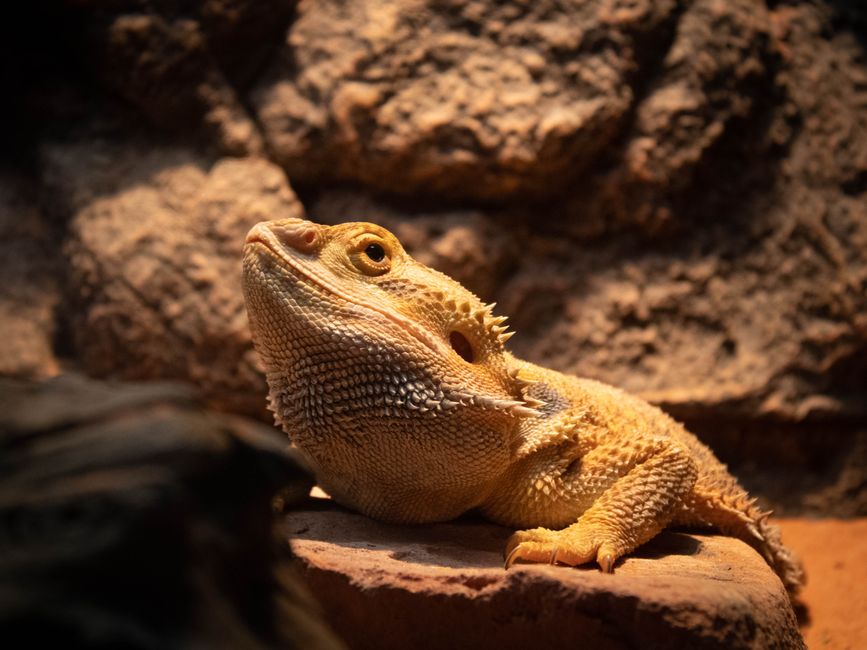
You’re standing in a pet store at 11:23 on a Saturday morning, looking at a bearded dragon that’s looking right back at you — completely unbothered — and you think: maybe this is the one. Not a dog that needs three walks a day. Not a cat that’ll destroy your couch. Something different. Something that actually makes sense for your schedule, your apartment, your life.
Here’s the thing most people get wrong when they research exotic pets: they ask “What’s cool?” instead of “What’s compatible?” Those are completely different questions, and the gap between them is how you end up with a sulcata tortoise in a studio apartment or a macaw that screams every time you leave the room. The real question for 2026 isn’t which exotic animal is trending — it’s which one maps to your actual lifestyle, budget, and long-term commitment. That’s the filter everything in this article runs through.
Industry tracking from the American Pet Products Association has consistently shown that the exotic and small animal segment is one of the fastest-growing categories in the U.S. pet market, with reptiles, birds, and small mammals seeing particular interest from younger owners in urban environments. That trend hasn’t slowed. If anything, the range of legal, captive-bred animals available through responsible breeders and specialty retailers has expanded, which means more options — and more chances to pick the wrong one if you’re not careful.
1. Leopard Geckos: The Apartment Owner’s Realistic Best Friend
Leopard geckos have earned their reputation, and they’ve earned it honestly. They’re terrestrial — no need for tall enclosures or climbing structures. A 20-gallon tank is genuinely enough for one adult. They don’t need UVB lighting the way many other reptiles do, which cuts your equipment cost significantly. They eat live insects — primarily crickets and mealworms — which you can buy at any Petco or PetSmart, or order in bulk online for less than $15 a month if you keep a small colony.
What makes them particularly good for 2026 specifically is that the captive-bred gene pool in the U.S. is now extraordinarily healthy. You’re not buying an animal that was wild-caught and stressed into a crate. A reputable breeder — and there are dozens operating out of states like Florida, Texas, and Ohio — can sell you a healthy juvenile for $40 to $80 depending on morph. Albino and tangerine morphs run higher, sometimes $150+, but the base animal is accessible.
The honest caveat: they live 15 to 20 years in captivity. That’s a real commitment. If you’re in your mid-twenties and move every two years for work, think about whether you’re ready for a pet that’ll be with you through your thirties. I’ve talked to people who got one in college and are now navigating cross-country moves with a gecko in a travel carrier. It’s manageable — but it’s something you plan around.
2. Ball Pythons: Still the Gold Standard for Snake Beginners
Ball pythons are the animal that converts snake skeptics. They’re docile in a way that genuinely surprises people who’ve only encountered snakes in nature documentaries. An adult ball python — typically 3 to 5 feet — will curl into a ball (hence the name) when stressed, rather than strike. They’re slow-moving, heat-seeking, and mostly interested in eating one appropriately-sized frozen-thawed mouse or rat every 7 to 14 days.
The husbandry has become more standardized over the past decade. A 4x2x2 PVC enclosure, two hides, an ambient temperature of 80–85°F with a warm side reaching 88–92°F, and humidity around 60–80% — that’s the baseline. You can get a complete setup for under $300 if you’re patient about sourcing equipment. The snakes themselves range from $50 for a normal to several hundred for high-end morphs, but the normal ball python is one of the most underrated animals in the hobby.
One thing that doesn’t get mentioned enough: ball pythons can go off food for weeks, sometimes months, during breeding season or if their environment is off by a few degrees. First-time owners panic. It’s almost always fine. Building a relationship with a reptile vet before you need one — not after — is probably the smartest thing you can do in the first 30 days of ownership.
3. Rats: Underestimated, Overlooked, and Genuinely Engaging
I’ll defend rats every single time. People hear “rat” and picture something they don’t want in their house. Then they spend 20 minutes with a pair of domestic rats and completely reconsider. These animals recognize their owners, come when called, can be litter-trained, and actively seek interaction. They’re also social — you should keep at least two — and their lifespan of 2 to 3 years means you’re not signing a 15-year contract.
The cost is almost absurdly low compared to other pets. A pair of rats from a reputable breeder runs $20 to $40 total. A solid cage — look for multi-level ferret or rat-specific cages with bar spacing no wider than half an inch — costs $80 to $150. Their diet is simple: a quality lab block like Oxbow Regal Rat, supplemented with fresh vegetables and occasional protein. Monthly cost for two rats is probably $25 to $35, including bedding.
The real catch is vet access. Rats are exotic animals from a veterinary standpoint, which means you need an exotic vet, not a standard dog-and-cat practice. In major metro areas — Chicago, LA, Atlanta, Seattle — finding one is straightforward. In rural areas, it’s harder. Respiratory infections in rats can escalate quickly, and having a vet lined up before your animal gets sick is not optional.
4. Blue-Tongued Skinks: The Overlooked Middle Ground
If you want something with more personality than a gecko but less commitment than a large monitor lizard, a blue-tongued skink hits a very specific sweet spot. They’re diurnal — active during the day — which means you actually get to see them doing things. They’re omnivores, which makes feeding more varied and interesting. And that blue tongue is genuinely striking in person.
Northern blue-tongued skinks (Tiliqua scincoides intermedia) are the most commonly kept in the U.S. and are now widely captive-bred domestically. Expect to pay $200 to $400 for a healthy captive-bred animal. They need a longer enclosure — a 4×2 footprint at minimum for an adult — with proper UVB lighting and temperatures in the 75–85°F range. They eat a rotation of protein (lean meat, insects), vegetables, and occasional fruit. It’s more work than a leopard gecko. Less work than a monitor.
One specific detail that matters: skinks from Indonesian imports versus Australian-lineage animals behave differently and have different care requirements. Know your animal’s origin before you buy. A reputable breeder will tell you without being asked.
What Doesn’t Work: Four Approaches to Avoid
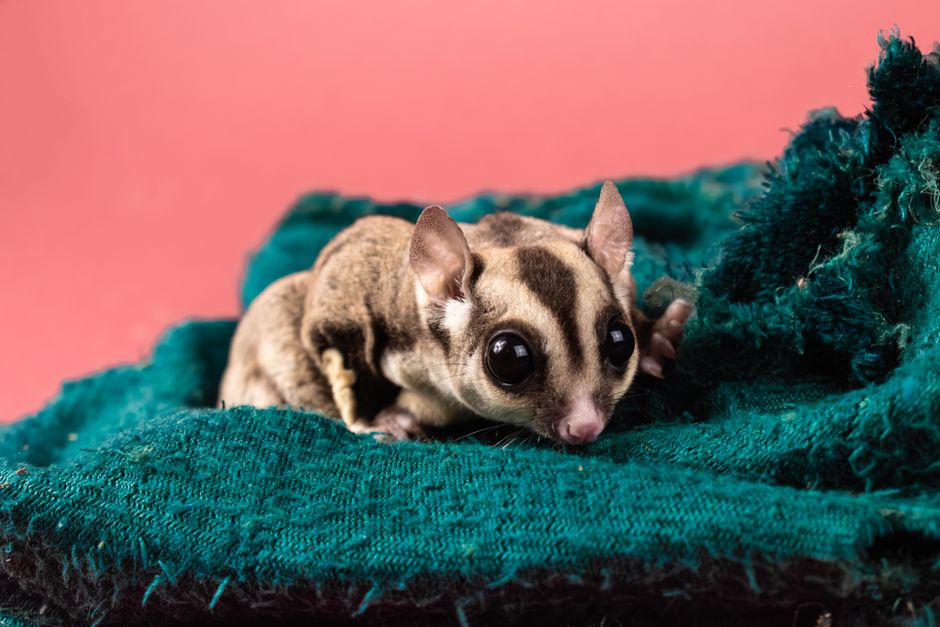
Buying exotic pets based on social media alone. A hedgehog or sugar glider looks incredible in a 15-second video. In real life, hedgehogs are nocturnal, defensive, and require consistent handling to stay tame — most people lose interest within six months. Sugar gliders need to be kept in bonded pairs or groups, need a huge enclosure, and scream at night. Neither animal is bad. Both are frequently bought by people who were sold a vibe, not a reality.
Skipping the reptile vet search until you need one. “I’ll figure it out if something goes wrong” is how you end up calling 12 practices on a Sunday night and finding out the nearest exotic vet is two hours away. Locate a vet before you buy the animal. Call them. Confirm they see your species. This takes 20 minutes and matters enormously.
Buying wild-caught animals to save money. Wild-caught reptiles are stressed, often parasitized, and far harder to acclimate to captivity. The price difference between a wild-caught and captive-bred animal rarely justifies the difference in health outcomes and husbandry difficulty. Buy captive-bred from a reputable source, full stop.
Treating an exotic pet like a low-maintenance decoration. Every animal on this list requires daily attention — temperature checks, feeding schedules, behavioral observation. The ones that seem “low maintenance” are low maintenance compared to a dog, not compared to a houseplant. If you travel frequently without a reliable pet-sitter, factor that in before you commit.
A Real Week With a Leopard Gecko: What It Actually Looks Like
Monday: check temps with a temperature gun — warm side at 90°F, cool side at 74°F. Put two crickets in the enclosure. She ate one, ignored the other. Removed the escapee before bed because a loose cricket at 1 AM is a problem you don’t need.
Wednesday: noticed she was in her humid hide more than usual. Checked her toes — she was in pre-shed. Misted the humid hide with dechlorinated water. No intervention needed beyond that.
Friday: full shed completed. Checked toes and eyes for retained shed — all clear. Fed two mealworms as a post-shed treat.
Saturday: cleaned the enclosure. Spot-cleaned waste, replaced paper towel substrate in one section, refreshed the water dish. Total time: maybe 12 minutes.
Sunday: she was completely buried in her cool hide and didn’t come out all day. That’s fine. That’s what they do. No alarm, no intervention.
That’s it. That’s a week. Some weeks she doesn’t eat. Some weeks she’s out basking every evening and seems almost social. The relationship you build with an animal like this isn’t like a dog — it’s quieter, slower, and oddly satisfying in a completely different way.
The Legality Layer You Can’t Skip
State and local laws on exotic pets vary significantly, and 2026 has not simplified this. California, Hawaii, and a handful of other states have restrictions that go beyond federal law. Some cities within otherwise permissive states have their own ordinances. Before you buy anything on this list — especially snakes — spend 20 minutes on your state’s fish and wildlife agency website. Not a forum. Not Reddit. The actual agency. Some animals that are legal statewide require permits at the county level. Ignorance of local ordinance doesn’t protect you from a fine or, worse, having an animal confiscated.
Three Small Things You Can Do This Week
Pick one animal from this list that genuinely interests you — not the coolest one, the one that actually matches your schedule and living situation. Then spend three days reading care sheets from established reptile and small animal communities before you look at a single breeder listing. You’ll know within 72 hours whether your interest survives contact with the actual requirements.
Find an exotic vet in your area before you buy anything. Call them, confirm they see the species you’re considering, and ask what they charge for a new patient exam. This call takes five minutes and it’s the most useful five minutes in the process.
If you’re serious about a reptile, buy a temperature gun now — around $15 on any major retail site — and practice using it somewhere in your home. Getting comfortable with the tool before you have a live animal depending on it is a small thing that makes the first week of ownership significantly less stressful.


Publicar comentário