Keep Your Dog Clean Without Harming the Planet
My neighbor’s golden retriever, Biscuit, smells like a synthetic bouquet of “ocean breeze” and “fresh cotton” — whatever that even means. She baths him every two weeks with a bottle of bright blue shampoo that costs $4.99 at the grocery store. I asked her once what was in it. She flipped it over, squinted at the back label, and said, “I have no idea, honestly.” That moment stuck with me, because I’d been doing the exact same thing with my own dog for years.
Here’s the thing most pet owners miss: the problem isn’t that you’re bathing your dog too much or too little — it’s that most grooming products on the market were formulated for shelf appeal, not for your dog’s skin or for the water that drains out afterward. That blue shampoo lathers beautifully. It smells like something a hotel lobby would pump through the vents. And when it rinses off, it goes straight into the municipal water system carrying synthetic fragrances, sulfates, and preservatives that water treatment plants weren’t specifically designed to filter out. You’re not a bad pet owner for using it. Nobody told you there was another option.
Why “Natural” on the Label Means Almost Nothing
Walk into any pet supply chain and you’ll see the word “natural” on roughly half the shampoo bottles. It’s not regulated by the FDA for pet products the way it is (loosely) for human cosmetics. A shampoo can contain 90% synthetic ingredients and still legally call itself “natural” if it has a drop of aloe in it. This is the first trap.
What you actually want to look for are specific certifications and ingredient lists you can read without a chemistry degree. Formulas built around plant-derived surfactants — like decyl glucoside or coco-glucoside — are genuinely gentler on skin and biodegrade far more readily than sodium laureth sulfate. Some brands have moved to USDA-certified organic ingredients for their base formulas. That certification requires actual documentation and third-party audits. “Natural” does not.
Industry data has shown that the pet grooming market in the U.S. generates well over $10 billion annually, and the eco-focused segment of that market has been one of the fastest-growing categories for several consecutive years, according to market research tracking consumer spending in pet care. The demand is real. The greenwashing keeping pace with it is equally real.
The Ingredients That Actually Matter
You don’t need a PhD to read a grooming product label. You need a short list of things to avoid and a short list of things to look for.
Skip these when possible:
- Methylisothiazolinone (MIT) — a preservative flagged for aquatic toxicity in multiple environmental assessments
- Synthetic musks — the fragrance compounds that make your dog smell like a candle; they accumulate in water systems and in fatty tissue
- Parabens — still common in cheaper formulas despite being phased out of most human personal care lines
- Artificial dyes — purely cosmetic, no grooming function, and petroleum-derived in most cases
Look for these instead:
- Oat-based cleansers (colloidal oatmeal is one of the most studied, genuinely soothing ingredients for sensitive dog skin)
- Coconut-derived or corn-derived surfactants
- Essential oils used in low concentrations — though be careful here; some oils safe for humans are toxic to dogs, tea tree oil being the most commonly misused
- Packaging that’s either recyclable, refillable, or concentrated (meaning you use less per wash)
Concentrated Formulas: The Boring Solution That Actually Works
I switched to a concentrated shampoo about two years ago — the kind where you dilute it 10:1 with water before use. One 16 oz bottle lasted me close to eight months for a 45-pound border collie mix who gets muddy approximately every three days. The math: I was buying a 12 oz conventional shampoo almost every six weeks before. That’s roughly eight plastic bottles a year down to one. Not glamorous. Genuinely effective.
Concentrated formulas also tend to have simpler ingredient lists because they don’t need the same level of thickeners, stabilizers, and foam boosters that make a ready-to-use shampoo feel luxurious. Less filler means less of everything rinsing into the watershed. It’s a boring, practical win — which is exactly the kind of win that actually sticks.
Grooming Beyond the Bath: The Products People Forget
Shampoo gets all the attention, but a full grooming routine touches a lot more than one bottle. Here’s where people often overlook easy swaps:
Dry shampoos and deodorizing sprays. Most of the aerosol versions are packed with propellants and synthetic fragrance. Powder-based dry shampoos made with baking soda and arrowroot are absurdly simple to DIY, or you can find pre-made versions from smaller indie brands at local pet boutiques or online. A quick sprinkle and brush-out between baths, and you’re not adding anything to the water system at all.
Ear cleaners. Many conventional ear wipes use isopropyl alcohol, synthetic fragrance, and polyethylene glycol compounds. Witch hazel-based formulas with a cotton pad do the same mechanical job with a much cleaner ingredient list. Ask your vet what they actually recommend — you might be surprised how simple the answer is.
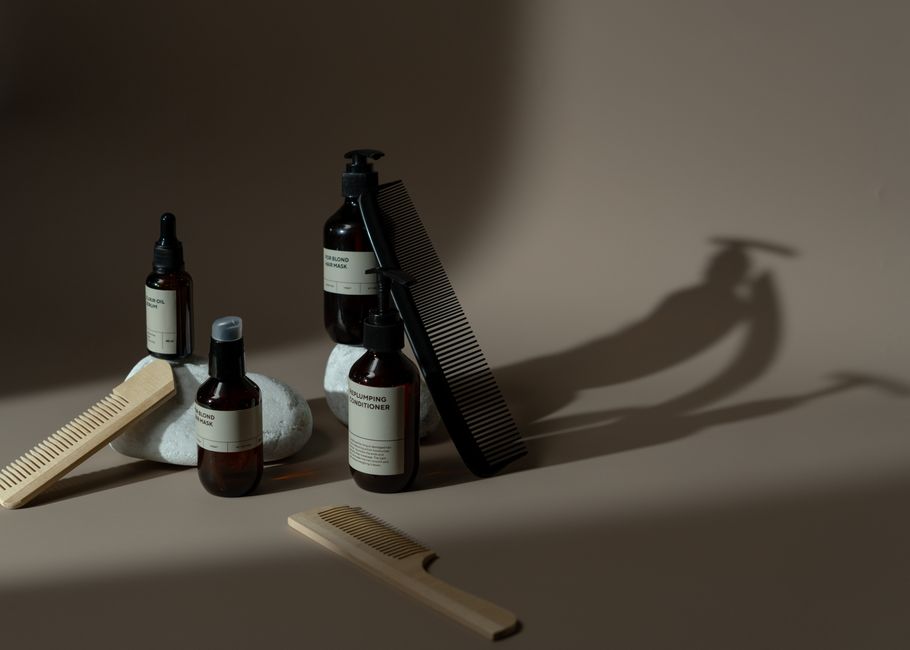
Brushes and combs. This one catches people off guard: a bamboo-handled brush with natural bristles will outlast three or four plastic-handled versions if you take basic care of it. Less plastic waste, full stop. Some brands now offer combs made from recycled materials, though I’d verify claims before assuming.
Paw balms. The conventional ones often include petrolatum (petroleum jelly) as a base. Beeswax or plant-wax alternatives work just as well for protecting paw pads in winter or on hot pavement, and they’re not petroleum-derived.
A Real Week of Switching Over (Including the Part That Didn’t Go Well)
When I first switched my grooming routine, I made the classic mistake of doing everything at once. New shampoo, new conditioner, new ear cleaner, new paw balm — all in one Saturday afternoon. My dog Remy had a mild skin reaction that I initially blamed on the new shampoo. Turned out it was the essential oil blend in the paw balm. I’d grabbed one without checking the concentration of eucalyptus oil, which dogs tolerate poorly in anything beyond trace amounts.
The lesson: swap one product at a time. Give it two or three grooming sessions before making another change. If something’s not working — itching, flaking, unusual smell from the coat — you’ll know exactly what variable changed. It took me about six weeks total to rotate through everything, and by week seven I had a routine I was confident in. Week three was annoying. That’s just how it goes.
The shampoo itself was a non-event. Remy’s coat looked the same, maybe slightly less “squeaky clean” in the first couple of washes as his skin microbiome adjusted — something groomers who work with sensitive dogs mention fairly often. By the third bath, no difference I could detect. He still rolled in something unidentifiable behind the garage two days later. Some things eco-friendly products cannot fix.
What Doesn’t Work: Four Approaches to Ditch
I have opinions here. You might disagree, but here’s where I’ve landed after trying most of these:
1. Buying “eco” products from big-box brands without checking the ingredients. Major pet supply retailers have launched their own “green” private-label lines in response to demand. Some are genuinely improved. Others are standard formulas in greener-looking packaging. The label redesign is not the product change. Check the ingredient list. If it’s vague — “fragrance,” “preservative blend,” no specifics — that’s a red flag regardless of what the front label says.
2. DIY everything from scratch. I know this is popular in certain corners of the internet. A vinegar rinse here, a dish soap bath there. The problem is that dogs have a skin pH that’s meaningfully different from humans (generally more alkaline), and formulas built for that pH don’t translate from your kitchen pantry. Regular dish soap disrupts the skin’s acid mantle. Vinegar rinses in the wrong dilution can cause irritation. The effort-to-reliability ratio is not great. Leave the chemistry to people who do it for a living and just choose better versions of professional products.
3. Assuming “fragrance-free” means cleaner. Fragrance-free just means no added scent. The rest of the formula could still be full of sulfates and synthetic preservatives. It’s a better starting point than a heavily perfumed product, but it’s not a proxy for the whole ingredient story.
4. Buying in bulk “to reduce packaging” but never using it. I’ve seen this one in Facebook pet groups. Someone buys a gallon jug of shampoo because it seems more sustainable than small bottles. Then it sits in the garage for 18 months, the formula degrades, and they toss it. Product waste cancels out packaging savings pretty quickly. Buy in a size you’ll actually use within six months.
What to Do This Week — Three Small Things
You don’t need to overhaul your entire pet cabinet before your dog’s next bath. Here’s the smallest version of getting started:
Today: Flip over whatever shampoo you’re currently using and look for one ingredient from the “skip” list above. Just one. You’re not committing to changing it yet — you’re just looking. That five seconds of reading is the actual beginning of the shift.
Before the next bath: Look up one concentrated or plant-based dog shampoo available on a retailer you already use. Read the ingredient list. If it’s shorter and more readable than what you currently have, add it to your cart. You’re not buying it yet if you’re not ready — but knowing what the alternative looks like removes the “I don’t know where to start” barrier entirely.
This month: When one product in your current routine runs out — shampoo, ear cleaner, paw balm, doesn’t matter — replace it with a cleaner-formula version instead of automatically buying the same thing again. One at a time. That’s the whole strategy. No overhaul, no big commitment, no perfect green routine required. Just one better choice per empty bottle.
Biscuit’s owner, by the way, made the switch about four months ago. She texted me a photo of the new shampoo she’d ordered and said it cost $11 more than her usual bottle but that the bottle was lasting twice as long because she was diluting it. She seemed mildly annoyed that nobody had told her sooner. I get that feeling completely.



Publicar comentário