Why Your Cat’s Anxiety Needs Real Solutions in 2026
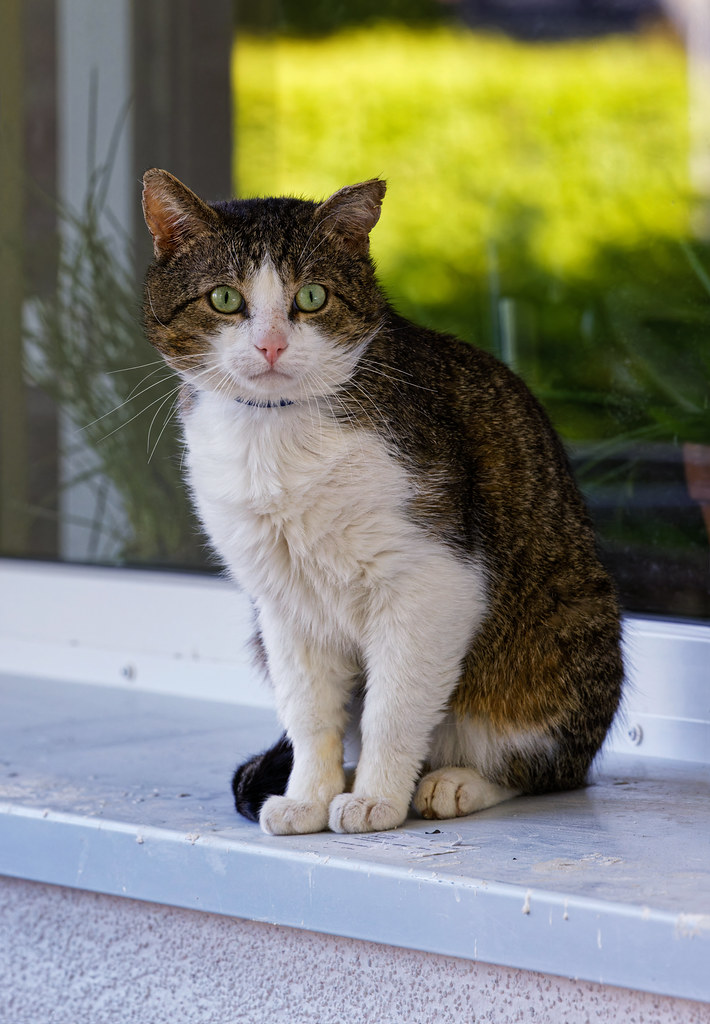
It’s 11:23 p.m. and your cat has been pacing the hallway for the third night in a row. She’s not hungry — you checked. She’s not injured. She just looks… unsettled. That low, almost inaudible yowl. The tail flicking for no reason. If you’ve been brushing this off as “just cat behavior,” I need to stop you right there.
Cat anxiety is real, it’s measurable, and it’s being dramatically underdiagnosed in American households. Most owners — and honestly, some vets — treat feline anxiety as a quirk, a personality trait, something the cat will “grow out of.” That framing is the actual problem. Not the anxious cat. The assumption that anxiety in cats is somehow less legitimate than anxiety in dogs, or in us.
Here’s the non-obvious truth: your cat’s anxiety is almost never about the thing you think it’s about. It’s rarely the new furniture or the holiday guests. More often, it’s a slow accumulation — weeks or months of micro-stressors that finally tipped the nervous system into a chronic state of alert. Identifying one trigger and removing it won’t fix a cat that’s been running on cortisol for six months. That’s why so many “solutions” fail.
1. The Anxiety Numbers Nobody Talks About
Multiple veterinary behavior surveys in recent years have pointed to the same uncomfortable statistic: somewhere between 20 and 40 percent of domestic cats show signs of chronic stress or anxiety at some point in their lives. Industry-level data from pet health companies suggests the number is climbing — partly because more people are working hybrid or remote schedules, which changes the social dynamics inside the home significantly. Cats evolved to have predictable solitude. A human who leaves at 8 a.m. and returns at 6 p.m. is actually easier on a cat’s nervous system than someone who’s home Monday, gone Tuesday, back Wednesday.
The American Association of Feline Practitioners has published feline stress guidelines that most general-practice vets still haven’t fully integrated into routine checkups. Ask your vet when they last did a behavioral assessment during an annual exam. The answer, statistically, is probably “not recently.”
2. What Chronic Feline Stress Actually Looks Like
Here’s where owners get tripped up: cats don’t show anxiety the way dogs do. A stressed dog barks, destroys things, paces obviously. A stressed cat often goes quiet. Or she over-grooms. Or she stops using the litter box — not because she’s being spiteful, but because the box itself has become associated with tension in the environment. Or she eats fine but loses weight because chronic stress hormones affect digestion.
The signs I’ve personally learned to watch for, after years of living with two cats — one of whom is genuinely anxious in a way that took me embarrassingly long to recognize — include:
- Hiding in the same spot for more than a few hours daily, when that wasn’t the baseline
- Pupils frequently dilated even in bright rooms
- Flinching at sounds that never bothered her before
- Excessive self-grooming, especially around the belly or inner thighs
- Sudden aggression toward a housemate cat she’d lived with peacefully for two years
That last one cost me a $340 vet visit before I understood what was happening. The aggression wasn’t about the other cat. It was redirected anxiety. A stray outside the window was the actual source — she’d see it at around 7 a.m. and stay activated for hours.
3. What Doesn’t Work (And Why People Keep Trying It Anyway)
I’m going to be direct here, because this is where most cat anxiety content goes soft and hedges everything. There are approaches that simply don’t work well enough to be your primary strategy.
Ignoring it and hoping for improvement. Chronic anxiety in cats is a nervous system state, not a mood. It doesn’t resolve on its own any more than chronic back pain resolves by ignoring it. I watched my cat develop stress-related cystitis — a real, painful medical condition — because I waited too long. Don’t do that.
Pheromone diffusers alone. Products like synthetic feline facial pheromone diffusers (there are a few brands on the market, you’ve probably seen them) have genuine supporting research behind them. But they’re not a standalone fix for a cat with moderate to severe anxiety. They work better as part of a broader environmental plan. Using one and calling it done is like putting a white noise machine in a room where a house fire is happening.
Punishing stress behaviors. Spraying a cat with water when she yowls at 2 a.m. doesn’t reduce anxiety — it adds a new source of threat in an environment she already finds threatening. I’ve seen this extend recovery timelines by months. Stop.
Rearranging the environment without a plan. Some owners go into what I call “Amazon spiral mode” — buying cat trees, tunnels, window perches, puzzle feeders — without understanding what specific need isn’t being met. Stuff isn’t the answer. The right stuff, placed thoughtfully, matters. But dropping $200 on enrichment products without assessing your cat’s specific stressors is largely wasted money.
4. The Environmental Audit: One Week, Real Results
The most practical thing I’ve done — and the thing I recommend to anyone who asks me about this — is a seven-day environmental audit. Here’s what it actually looks like, including the day it didn’t go smoothly.
Days 1–2: I just observed and wrote things down. Not interpreting, just noting. What time does the cat hide? What’s happening in the environment right then — is the TV on, is the dishwasher running, did a truck pass outside? I used the Notes app on my phone because I’d forget otherwise. By end of day two, I had a pattern: 7:10 a.m. was a consistent stress spike. The stray cat. Solved by moving a piece of furniture to block the lower window sightline. That alone reduced the hiding behavior by probably 60 percent within a week.
Days 3–4: I looked at vertical space. Cats under stress need escape routes — high perches they can retreat to where they feel safe. I didn’t have one near her primary resting spot. I added a wall-mounted shelf I already owned (repurposed from a bookcase reorganization) at about five feet off the ground. She used it within 36 hours.
Day 5: This is the day nothing worked. I tried a new food puzzle feeder — a slow-feeder bowl — thinking it would reduce mealtime anxiety. She looked at it, looked at me, and walked away. Some cats need a slower introduction to enrichment changes. I went back to her regular bowl and tried the puzzle feeder again two weeks later with better results.
Days 6–7: I looked at social pressure. I have two cats. One was consistently approaching the anxious one in tight spaces — hallways, near the food bowl. I started feeding them in separate rooms with the door open but offset sightlines. Less direct competition. The anxious cat started eating faster and grooming less frantically within days.
Total cost of this audit: roughly $0, because I used what I had. That matters.
5. When Behavioral Work Isn’t Enough: The Medication Conversation
Here’s where I think a lot of well-meaning cat content fails owners: it avoids the medication topic like it’s shameful. It isn’t.
Veterinary behaviorists — and yes, board-certified veterinary behaviorists are a real specialty — have access to prescription options that can meaningfully improve quality of life for cats with moderate to severe anxiety. Medications like fluoxetine and buspirone have been used in feline behavioral medicine for years. They’re not a quick fix and they’re not right for every cat, but for a cat that’s so activated she can’t engage with any behavioral intervention, medication can create a neurological window where the behavioral work actually sticks.
If your regular vet isn’t comfortable discussing behavioral pharmacology for cats, ask for a referral to a veterinary behaviorist or a vet with additional behavioral training. Telehealth options for veterinary behavioral consults have expanded significantly — you don’t necessarily need to live near a specialist to access one.
One specific thing I’d push for: don’t let a vet prescribe medication without also putting a behavioral plan in place. Medication plus environment plus routine change outperforms medication alone in virtually every study that’s looked at it. If the plan is just “give this pill and see,” push back on that.
6. Routine as Medicine: The Part That’s Boring but True
Cats are not spontaneous creatures by nature. They are, at a deep biological level, creatures of habit. A predictable feeding schedule — same bowl, same spot, same approximate time — reduces low-grade ambient stress in ways that are hard to overstate. I moved my anxious cat’s breakfast from “whenever I woke up” to 7:00 a.m. exactly. Within two weeks, she stopped waking me up at 5:30 a.m. by sitting on my face. That’s not a coincidence.
Predictable play sessions matter too. Ten minutes with a wand toy — the kind with feathers on a string, she’ll ignore the laser pointer — at roughly the same time each evening helps discharge arousal and gives her a way to use predatory energy constructively. Skipping it for three days in a row is a reliable way to get the 11 p.m. yowling back.
The routine doesn’t have to be rigid to the minute. It has to be recognizable. Cats don’t read clocks; they read patterns.
7. The 2026 Landscape: What’s Actually New
A few things have genuinely shifted in feline mental health care in recent years. Veterinary telehealth has matured enough that behavioral consultations — which used to require a specialist in your metro area — are now accessible to owners in rural areas. That’s a real change.
Wearable biometric trackers for cats are entering the consumer market. Some clip-on collar sensors can now track sleep patterns, activity levels, and resting heart rate over time, which gives you objective data instead of your own interpretation. These products are still early-stage and the data quality varies, but the category is worth watching if you have a cat with documented anxiety and want to measure intervention outcomes rather than guess.
There’s also been growth in veterinary-formulated supplements — L-theanine, casein-based calming products — that sit somewhere between pheromone diffusers and prescription medication. Some of them have small but legitimate research bases. None of them are miracle products, but for mild anxiety, they’re worth a conversation with your vet before jumping straight to pharmaceuticals.
Three Things You Can Do Before This Week Is Over
Not a summary. Just three small, concrete things:
First: Block one external visual stressor. Walk around your home at cat eye level — literally crouch down — and look for what your cat sees from her usual resting spots. A neighbor’s dog that wanders the yard. A bird feeder that attracts hawks. A busy sidewalk. Blocking one sightline with a frosted window cling (a few dollars at any hardware store) can reduce ambient activation you didn’t know existed.
Second: Set one feeding time and hold it for seven days. Pick a time that works for you. Put a reminder on your phone. Do it at the same time for a week and watch what changes in the hour before that time — less pacing, less vocalization, more settled behavior. The data will speak for itself.
Third: Make one call or send one message to your vet asking specifically about behavioral health. Not about vaccines, not about dental cleanings — behavioral health. Ask if they can do a behavioral screen at your next visit. That question alone changes the conversation.
Your cat can’t tell you she’s anxious. But she’s been trying to show you for a while. It’s worth paying attention now, before the symptoms get louder — or more expensive.



Publicar comentário