What Pet Owners Actually Need to Know About 2026 Care Trends
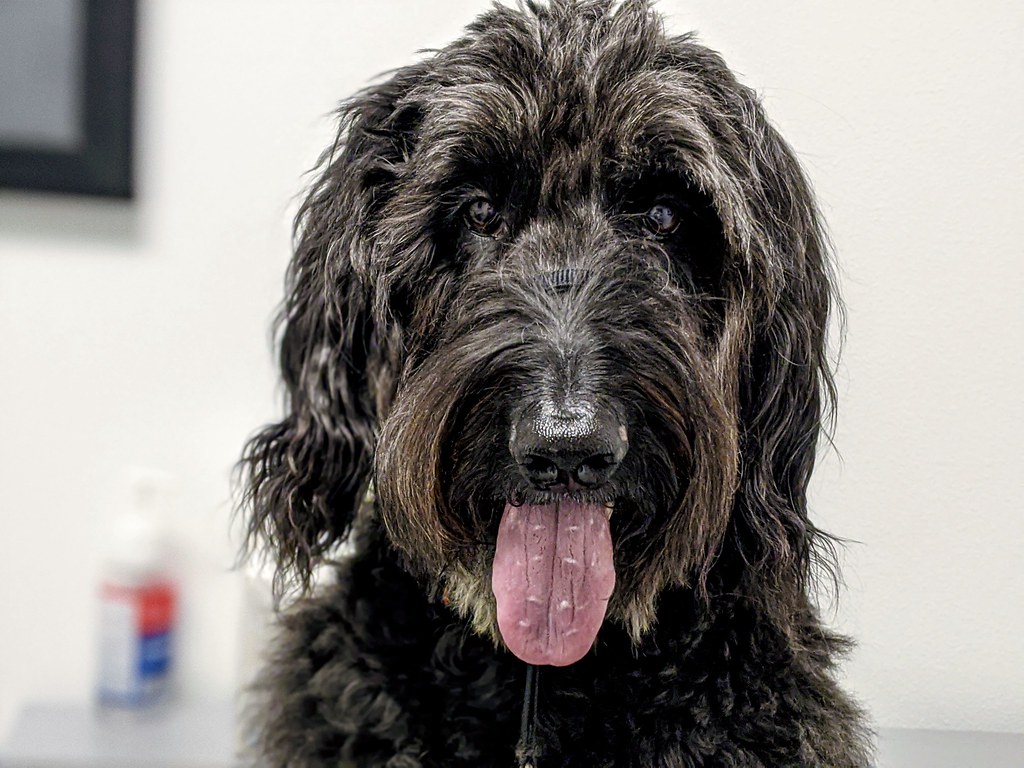
The vet bill sitting on my kitchen counter last Tuesday said $847. That was for a single visit — bloodwork, a dental cleaning, and a prescription food recommendation for my 9-year-old Lab mix, Pepper. I didn’t flinch the way I would have five years ago. That shift in my reaction — and in millions of households across the country — tells you more about where pet care is heading in 2026 than any trend report could.
Here’s the thing most “top trends” articles get wrong: they frame 2026 pet care as being about products. New gadgets, fancier food, smarter collars. But that’s not actually the story. The real shift is a change in what Americans believe their pets deserve — and how far they’re willing to go, financially and emotionally, to deliver it. The products are just the evidence. The belief system is the actual trend.
1. Preventive Care Is Finally Beating Reactive Care — But It’s Complicated
For most of pet ownership history in this country, the pattern was the same: wait until something looks wrong, then go to the vet. Industry data has consistently shown that a significant portion of pet owners visit a veterinarian only once a year, and often only when a problem surfaces. That’s changing, and it’s changing fast.
Preventive wellness plans — monthly subscription-style packages offered by many veterinary chains and independent clinics — have seen notable uptake over the past two years. The model works a lot like a gym membership crossed with insurance: you pay a flat monthly fee and get routine exams, vaccines, and screenings bundled in. Some regional vet groups have reported waitlists for these plans, which is something nobody would have predicted in 2019.
The complication? Preventive care costs money upfront, and not every household can absorb it. The income gap in pet care is real and growing. Wealthier pet owners are investing in annual bloodwork panels, dental cleanings, and even pet physical therapy. Lower-income households — who love their animals just as much — are often still in reactive mode, not because they don’t care, but because the math doesn’t work. Any honest conversation about 2026 trends has to hold both realities at once.
2. Pet Food Has Gotten Genuinely Complicated — and That’s Not All Bad
Walk through the pet food aisle at any major retailer right now and you’ll see things that weren’t mainstream three years ago: air-dried proteins, fresh-cooked refrigerated meals, raw frozen patties, and insect-based kibble sitting right next to the traditional bags. The fresh and minimally processed segment has been one of the fastest-growing categories in the pet industry, driven by owners who started questioning ingredient lists the same way they question their own groceries.
Prescription and therapeutic diets have also expanded. My vet recommended a kidney-support formula for Pepper after her senior bloodwork flagged some early markers — a prescription food that runs about $85 for a 25-pound bag. Five years ago, that recommendation might not have come until things were more serious. Now it’s part of a proactive conversation.
What’s genuinely new in 2026 is the microbiome conversation. Probiotic supplements and “gut health” formulas for dogs and cats have moved from specialty pet stores into mainstream retail. Some of it is solid science. Some of it is marketing dressed up in scientific language. The honest answer is: talk to your vet before adding supplements, because not all of them are regulated the way you’d expect, and some can interact with medications.
3. Mental Health for Pets Is No Longer a Punchline
A few years ago, if you mentioned your dog was on anti-anxiety medication, you’d get a look. Now it’s a normal part of vet conversations, especially for dogs who developed separation anxiety during the pandemic years — animals who spent 18 months with their owners home all day and then suddenly had to cope with an empty house again when offices reopened.
Behavioral consultations with board-certified veterinary behaviorists have a 3-to-4-month waitlist in many major metro areas. That’s not a trend — that’s a demand problem the profession hasn’t caught up to. In the meantime, certified applied animal behaviorists and trainers with a science-based approach have filled some of that gap.
Environmental enrichment — puzzle feeders, sniff mats, structured outdoor time — has gone from “nice to have” to standard recommendation. I spent $34 on a lick mat and a snuffle mat for Pepper last spring, mostly out of desperation during a week she was recovering from surgery and couldn’t go on walks. The behavioral difference in her afternoon restlessness was noticeable within two days. Not magic. Just a dog using her brain.
4. Pet Insurance: Finally Growing Up, Still Imperfect
Industry trackers have noted that pet insurance enrollment in the US has grown substantially year-over-year for the past several years, though the overall percentage of insured pets remains low compared to countries like the UK and Sweden. That gap is closing, but slowly.
The 2026 reality of pet insurance is this: the good plans are genuinely useful, and the bad ones are expensive paper. The difference often comes down to how a plan handles pre-existing conditions, what their reimbursement model looks like (actual cost vs. benefit schedule), and whether they cover things like specialist referrals and alternative therapies. Annual premiums for a young, healthy medium-sized dog can run anywhere from roughly $400 to over $1,000 depending on coverage level and where you live — urban areas typically cost more.
One thing that’s genuinely improved: the claims process. Several insurers have moved to app-based submissions with faster turnaround. The frustrating multi-week wait that used to be standard has, at some companies, dropped to a matter of days. That matters. When you’ve just spent $2,000 on emergency care, waiting six weeks for reimbursement is its own kind of stress.
5. Technology in the Exam Room and at Home
Telehealth for pets isn’t new, but it’s matured. What started as a novelty during the pandemic has settled into a useful tool for triage — figuring out whether something needs an in-person visit urgently, or whether it can wait. For minor concerns, behavioral questions, or follow-up after a procedure, a 20-minute video call with a vet can save a three-hour round trip to the clinic.
Wearable health monitors for pets — GPS trackers that also log activity levels and sleep patterns — have become more affordable and more accurate. The data they generate is actually useful now, not just interesting. Some vets are starting to ask about activity data during wellness visits the same way a physician might ask about steps or heart rate data from a smartwatch.
AI-assisted symptom checkers exist, and some are better than others. My honest opinion: use them the way you’d use a general health website for yourself — as a starting point for a conversation with your vet, not as a diagnosis. A tool that tells you “this could be anything from allergies to something serious, please see a vet” is only useful if you actually follow through.
What Doesn’t Actually Work: Four Approaches Worth Skipping
1. Anthropomorphizing food choices without vet input. Your dog or cat has different nutritional needs than you do. Feeding grain-free diets without a veterinary reason, for example, became a widespread trend — and then the FDA began investigating a potential link between certain grain-free diets and a type of heart disease in dogs. The science is still evolving, but it’s a good reminder that following food trends for your pet without professional guidance can have real consequences.
2. Buying supplements off social media recommendations. The pet supplement market is largely unregulated compared to pharmaceuticals. “Natural” doesn’t mean safe, and dosing matters. I’ve seen well-meaning owners accidentally over-supplement their pets with things like vitamin D or iron. Ask your vet first. Every time.
3. Skipping dental care because “they seem fine.” Dental disease is one of the most common — and most preventable — health problems in dogs and cats. Animals don’t show pain the way humans do. By the time there’s an obvious sign, the problem is often significant. Regular dental cleanings and at-home brushing (yes, it’s awkward at first) make a measurable difference over a pet’s lifetime.
4. Treating pet insurance as something to buy after the diagnosis. That’s not how it works — pre-existing conditions are generally excluded. The time to enroll is when your pet is young and healthy, even if it feels like an unnecessary expense. The families I’ve seen most blindsided by vet costs are the ones who planned to “get around to” insurance and didn’t.
A Real Week: What Changed When I Actually Applied This Stuff
About eight months ago, I committed to treating Pepper’s care the way I treat my own annual checkups — proactively, not just when something was wrong. In practice, that meant scheduling a senior wellness exam (which I’d been pushing back for months), signing up for a dental cleaning before her teeth got worse, and enrolling in the vet’s wellness plan.
Week one was mostly scheduling calls and paperwork. Genuinely unglamorous. Week two, I added a probiotic the vet specifically recommended after her bloodwork. Week three, I started 10 minutes of puzzle feeding before her morning walk because the vet mentioned she was showing signs of cognitive changes common in older dogs.
Did all of it go perfectly? No. She refused the puzzle feeder completely for four days. I almost returned it. Then one afternoon she figured it out and now she waits by it every morning. The probiotic took about three weeks before I noticed any difference in her digestion. The dental cleaning revealed two teeth that needed extraction — not what I wanted to hear, but better caught now than in a crisis later.
The $847 bill that opened this piece? That was the dental procedure day. It was worth it. Not because I’m flush with cash — I’m not — but because I went in knowing what it would cover and why it mattered, instead of being blindsided.
Three Things You Can Do Before the End of This Week
Not a to-do list. Just three small moves that actually change trajectory:
- Call your vet’s office and ask about their wellness plan or preventive care package — not to commit, just to get the numbers. Understanding what it costs is step one.
- Check when your pet’s last dental exam was. If you can’t remember, it’s been too long. Ask about it at the next visit, even if you’re not ready to schedule the cleaning yet.
- Spend five minutes reading the ingredients label on your pet’s current food and write down any questions to bring to your vet. You don’t need to change anything tonight — just get curious.
That’s it. Three phone calls and five minutes of reading. The bigger decisions — insurance, food overhauls, behavioral consultations — will come after that. But they almost never happen without a small first step that costs nothing but attention.



Publicar comentário