Skip the Bath: Waterless Shampoo for Dogs That Actually Works
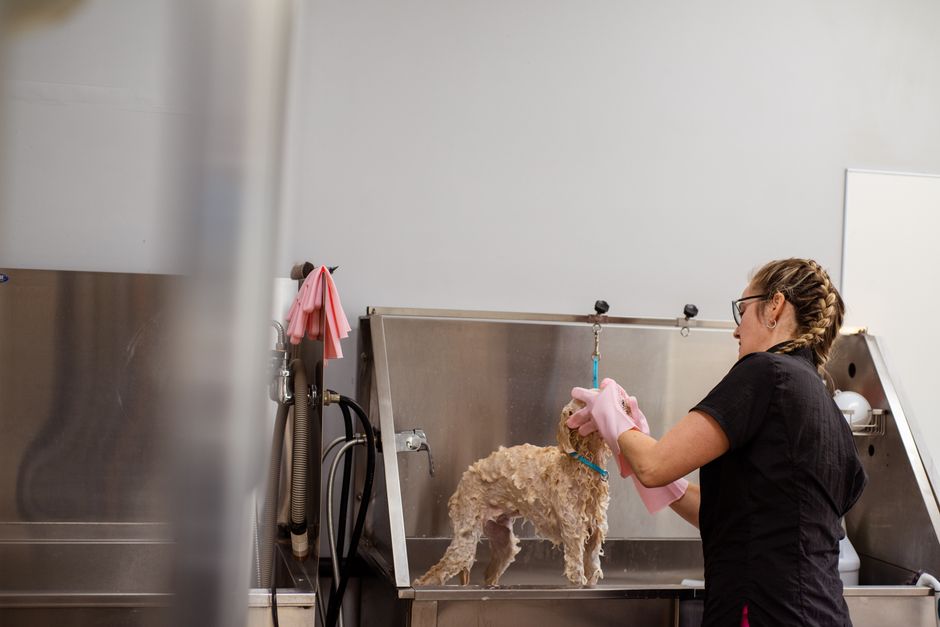
Most dogs don’t actually need a full bath as often as their owners think they do. There — I said it. I spent years working alongside professional groomers and veterinary technicians, and the “weekly bath” advice that floats around pet ownership forums is, in most cases, overkill. Overwashing strips the natural oils from a dog’s coat, throws off the skin’s pH balance, and — here’s the part nobody talks about — creates a cycle where the dog smells worse faster because the skin overproduces oil to compensate. I watched this happen over and over in grooming suites across the country.
That backstory matters because it’s exactly what drew me into taking waterless shampoos seriously long before they became a mainstream shelf product at Petco or Target. When you understand why full baths can do damage when used too frequently, you start looking at in-between solutions very differently. Not as a lazy workaround. As actual strategy.
Why Most People Reach for Waterless Shampoo at the Wrong Moment
Here’s what the typical dog owner does: the dog rolls in something awful, the owner can’t bathe them right now, so they grab a waterless spray as a stopgap. They spray it on, rub it in, and then feel vaguely guilty that they didn’t “really” clean the dog.
That mindset is the problem. Waterless shampoo isn’t a compromise for when you’re too busy. It’s a legitimate grooming tool for specific situations — and understanding those situations changes how well it actually works for you.
The products designed for heavy contamination — mud, skunk, heavy dander buildup — still need water and a real rinse. No spray foam is touching that. But for routine odor control between baths, light coat maintenance, post-walk freshening, or dogs who are elderly, post-surgical, or anxious around water? Waterless shampoo does something a full bath genuinely can’t: it lets you groom without stress, without the two-hour drying process, and without disrupting the coat’s moisture balance.
Before You Even Open the Bottle: Reading the Ingredient List
This is where I see people go wrong first. They pick up a product because it smells like lavender or the packaging has a golden retriever on it, and they never flip it over.
The ingredient list tells you almost everything. Here’s what I look for — and what I avoid:
- Avoid alcohol-heavy formulas. Isopropyl alcohol is a common base in cheaper waterless sprays. It dries quickly, yes, but it strips the coat the same way it strips human skin. Dogs with any history of dry or flaky skin should never go near these.
- Look for oat-based or aloe-based carriers. Colloidal oatmeal has a well-documented history of use in canine dermatology for soothing irritated skin. Aloe vera similarly offers mild anti-inflammatory properties. These aren’t marketing words — they’re functional ingredients when they appear high in the list.
- Fragrance placement matters. “Fragrance” or “parfum” listed near the top means the product is primarily a scent product with cleaning secondary. That’s fine if you know that’s what you’re buying. It’s not fine if you’re treating a dog with skin sensitivities.
- pH matters more than most labels admit. A dog’s skin pH sits roughly between 6.2 and 7.4 — meaningfully different from human skin, which runs more acidic. Products formulated for humans and “adapted” for dogs often miss this. Look for brands that specifically state pH-balanced for canine skin.
I’ve tested dozens of these products over the years. The ones that held up — consistently, across different coat types — were never the ones with the prettiest branding.
The Application Sequence That Makes or Breaks the Result
You can have the right product and still get a mediocre result if you apply it wrong. This is the step most tutorial videos gloss over because it isn’t photogenic.
Start with a dry brush-through. Before any product touches the coat, run a brush or comb through to remove loose hair, surface debris, and tangles. Applying waterless shampoo over a matted or heavily debris-loaded coat just traps the mess in with the product. You’ll end up with residue buildup that makes the coat look dull and feel sticky.
Apply in sections, not all at once. For a medium-to-large dog, working in sections — back, sides, chest, hindquarters — lets you work the product into the coat before it evaporates or dries on the surface. Sprays especially need to be worked in with your fingers or a soft brush immediately after application, not left to sit.
The massage step is functional, not optional. Working the product down to the skin level is what allows it to do anything useful. Surface application only addresses the top layer of the coat — which is mostly dead hair and surface oils. The active ingredients need contact with the skin to manage odor at the source.
Finish with another brush-through. This distributes remaining product evenly, removes any excess that would leave white residue, and — in my experience — is what separates a coat that looks groomed from one that looks like it was sprayed with something.
The whole process, done correctly on a medium-sized dog, takes about eight to twelve minutes. That’s not a shortcut — that’s a legitimate grooming session.
Coat Type Changes Everything About Which Product to Choose
One of the things that frustrated me most when waterless shampoos started hitting the market at scale was that they were marketed as universal. One formula for every dog. That’s not how coats work.
Short, smooth coats (think Beagles, Boxers, Vizslas) need lightweight formulas that don’t leave any residue. These coats show buildup immediately — you’ll see it as a dull film. Foam formats tend to work better here than heavy sprays.
Double coats (Huskies, Golden Retrievers, German Shepherds) are a different situation entirely. The undercoat holds everything — odor, dander, debris. A surface spray doesn’t reach it. For these dogs, I’ve found that waterless shampoo works best as a layer of maintenance between professional grooming sessions, not as a replacement for them. Foam or mousse formats that can be worked through the topcoat with a slicker brush get deeper penetration than sprays.
Curly or wavy coats (Doodles, Poodles, Bichons) mat easily and hold product residue longer. Lightweight, fast-drying formulas are non-negotiable here. Anything heavy will cause tangling.
Dogs with skin conditions — allergies, seborrhea, chronic dryness — need veterinary guidance before you introduce any new product, waterless or otherwise. I’ve seen well-meaning owners trigger flare-ups with products marketed specifically as “gentle” or “natural.” The label isn’t a clinical opinion.
Frequency: The Part Nobody Agrees On
How often should you use waterless shampoo? This is where I’ll give you a straight answer instead of a hedge: for most dogs on a regular bath schedule of every three to six weeks, waterless shampoo two to three times between baths is appropriate maintenance. More than that and you risk residue accumulation, especially in heavy coats.
For dogs who aren’t bathed regularly due to health reasons, age, or anxiety, the calculus changes. In those cases, waterless shampoo becomes a primary tool, not a supplemental one, and you should be working with your vet or a certified groomer to build a schedule that actually fits the dog’s needs.
What I’d push back on is the idea that more is always better. I’ve seen coats that were over-managed with waterless products develop a greasy, product-saturated texture that was genuinely harder to clean than a coat that had just been left alone. The goal is maintenance, not constant intervention.
Dogs Who Are Anxious, Elderly, or Post-Surgical: Where Waterless Shampoo Earns Its Keep
This is where I feel most strongly — and where the waterless category has genuinely improved quality of life for dogs who would otherwise go without proper coat care.
Older dogs with arthritis often can’t stand comfortably for the duration of a full bath. The combination of warm water, lifting, and extended standing time is painful for them. Waterless shampoo, applied while the dog is lying down in a comfortable position, changes what’s possible. I’ve worked with owners of senior dogs who went from dreading grooming days to handling it themselves at home without any distress to the dog.
Post-surgical dogs with incision sites, bandaged limbs, or mobility restrictions often can’t be bathed at all for weeks. Waterless options — applied carefully around affected areas — maintain hygiene without risking the wound site. This isn’t a workaround. It’s sometimes the only appropriate option.
Dogs with severe water anxiety are a third category. There’s real behavioral science behind why some dogs have intense fear responses to bathing — it’s not stubbornness, and forcing a fearful dog through a bath repeatedly makes the association worse over time. For these dogs, waterless grooming isn’t a convenience. It’s a welfare consideration.
Storage, Shelf Life, and One Thing Brands Don’t Tell You
Waterless shampoos have a real shelf life that most people ignore. Active ingredients — particularly anything oat-based or aloe-based — degrade over time, especially when exposed to heat or light. A product stored in a warm bathroom cabinet for two years isn’t delivering the same performance as a fresh bottle. I’d treat open waterless shampoo the way I treat sunscreen: check the date, store it cool and dark, and replace it if it’s been sitting around for more than twelve to eighteen months.
Foam formats have a shorter effective life once opened than sprays, because the pump mechanism oxidizes the formula faster. If the foam starts coming out watery or discolored, it’s done — don’t use it.
Temperature also affects application. Cold product applied directly to a dog’s coat in winter doesn’t spread or absorb well. Warming the bottle in your hands for thirty seconds before use makes a real difference in how the product distributes.
The One Thing I’d Tell You to Do Before Buying Another Bottle
After everything I’ve described — ingredient reading, application technique, coat-type matching, frequency calibration — the single most impactful thing you can do is this: do one full bath followed by a proper waterless session three days later, and then compare how your dog’s coat looks and smells at each stage over the next two weeks.
That comparison, done honestly and with a product you’ve chosen based on your dog’s actual coat type, will tell you more than any review. You’ll see whether the waterless product is extending the clean or just masking odor. You’ll know whether you’re dealing with residue buildup. And you’ll develop an instinct for your specific dog’s needs that no general guide can give you.
That’s the work. It’s not glamorous, but it’s what turns a shelf product into a grooming tool that actually earns its place in your routine.

Publicar comentário