Why Your Dentist Isn’t Telling You About These Dental Disease Risks
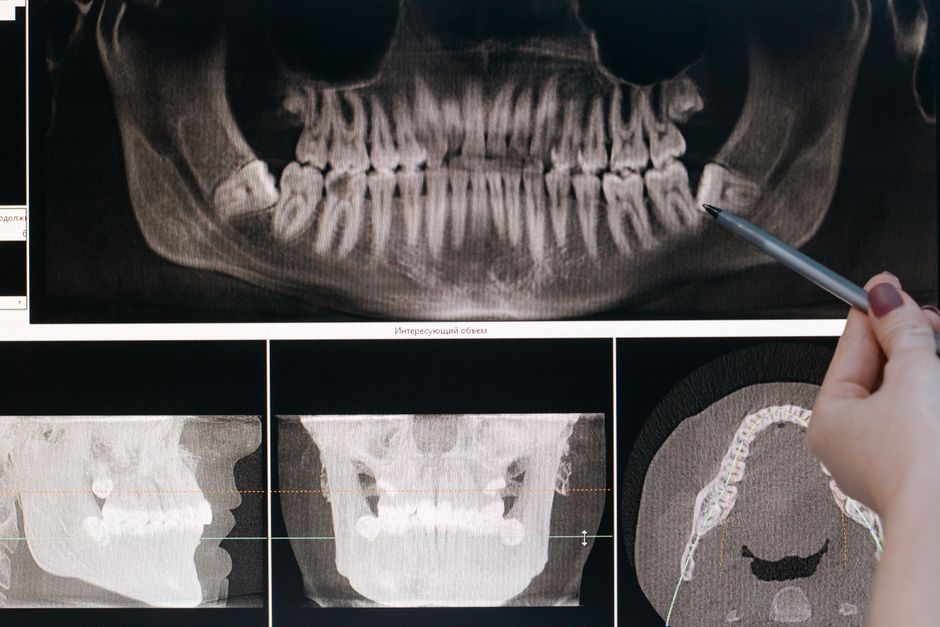
My dentist was a perfectly nice guy. Efficient, gentle with the drill, always had a sports game on the ceiling TV. For years, I sat in that chair, got my cleaning, heard “looks good, see you in six months,” and walked out feeling like I’d checked the responsible-adult box. Oral health? Handled. Moving on.
Then I had a root canal that turned into a weeks-long infection, and my primary care doctor — not my dentist — was the one who mentioned something I hadn’t considered: that the bacteria from an untreated oral infection can enter the bloodstream and affect tissues far from your mouth. She said it almost offhandedly, the way doctors do when they assume you already know something. I didn’t. And when I went back to my dentist asking about it, his response was a shrug and a pamphlet about flossing.
That was the moment I stopped being a passive patient. What I found when I started actually reading the research shifted my entire frame on dental health — and honestly made me a little frustrated at how casually the whole field gets treated in routine care.
The Gap Between “Clean Teeth” and “Healthy Mouth”
Here’s what I had wrong for most of my adult life: I conflated the absence of cavities with the absence of dental disease. If no one was drilling, I figured nothing was wrong. That’s not how periodontal disease works.
Gum disease — periodontitis in its advanced form, gingivitis at the earlier stage — can progress silently for years. The gums bleed a little when you brush. You rinse, you forget. That bleeding is your immune system actively fighting a bacterial infection, and that inflammatory response doesn’t stay neatly contained in your mouth. The American Academy of Periodontology has published extensively on the connection between periodontal inflammation and systemic disease, and the research picture is not a comfortable one.
The bacteria most associated with periodontal disease, particularly Porphyromonas gingivalis, has been detected in tissue samples from places in the body that have nothing to do with your teeth — including arterial plaque. That’s not a fringe finding. Researchers at institutions including the University of Louisville have published work identifying this organism in cardiovascular tissue. The plausible mechanism: chronic oral inflammation creates a pathway for bacteria and inflammatory markers to circulate systemically, affecting vascular tissue over time.
I’m not saying your cavities are going to give you a heart attack. That’s an overstatement the evidence doesn’t support. What the evidence does support is that chronic, untreated periodontal disease is an independent risk factor for cardiovascular events — and that distinction matters. It means the risk doesn’t disappear just because your cholesterol is fine.
What Routine Cleanings Actually Screen For — and What They Miss
A standard six-month cleaning does several things well. It removes calculus buildup that brushing can’t address, checks for visible decay, and takes periodic X-rays to catch cavities between teeth. That’s valuable. I’m not dismissing it.
What it doesn’t reliably catch — at least not in a typical general-practice appointment — is early-stage periodontal disease in patients who aren’t showing obvious symptoms. Proper periodontal screening involves probing depths around every tooth, measuring gum recession, checking for bone loss on X-rays with a periodontal focus, and tracking changes over time. In my experience, that full periodontal charting was something I had to specifically ask for. It wasn’t part of the standard hygienist visit.
When I finally got a thorough periodontal evaluation — prompted by my own research and a second opinion — I had pocketing depths in several areas that indicated early periodontitis. Nothing alarming, nothing that required surgery. But it had been developing quietly for at least a couple of years, and nobody had flagged it.
I’m not blaming my dentist, exactly. The economics of a general dental practice push toward volume. A cleaning and check takes thirty minutes. A thorough periodontal workup takes longer and requires either a periodontist referral or dedicated appointment time. Most patients don’t ask for it. Insurance doesn’t always cover it well. The system optimizes for what’s billable, not necessarily what’s most informative.
The Diabetes Connection Is More Direct Than You’d Think
The relationship between periodontal disease and type 2 diabetes is one of the more thoroughly documented bidirectional links in medicine. Elevated blood glucose impairs immune response and changes the oral environment in ways that accelerate bacterial growth and gum tissue damage. Meanwhile, chronic periodontal inflammation appears to worsen insulin resistance, making glycemic control harder.
The American Diabetes Association acknowledges periodontal disease as a complication of diabetes — which means if you have diabetes and your dentist isn’t actively monitoring your gum health, there’s a gap in your care. But the reverse is also true: if you have uncontrolled periodontal disease and you’re prediabetic or at metabolic risk, that oral inflammation may be actively working against your blood sugar management.
I found this particularly unsettling because none of it had ever come up in a conversation between my dentist and my primary care physician. They operated in entirely separate silos. My dentist didn’t know my A1C. My PCP didn’t know my periodontal status. This isn’t unusual — it’s the norm in American healthcare — but it means the patient has to be the one connecting the dots.
Oral Health During Pregnancy: Understated and Under-Discussed
Hormonal changes during pregnancy alter the immune response in the gum tissue, making pregnant women significantly more susceptible to gingivitis and, in some cases, a condition called pregnancy granuloma — a benign but uncomfortable overgrowth of gum tissue in response to local irritation. This is well-established in dental literature.
What’s discussed less in routine OB care is the association between severe periodontal disease and adverse pregnancy outcomes, including preterm birth and low birth weight. The proposed mechanism involves inflammatory cytokines and bacterial byproducts crossing into systemic circulation. The evidence here is complex — not every study shows a clean causal link — but major dental and obstetric organizations recommend dental care as part of prenatal care, and a meaningful number of pregnant patients in the U.S. either skip dental visits or aren’t referred to one.
If you’re pregnant and your OB hasn’t brought up dental health, bring it up yourself. It’s not a peripheral concern.
The Mouth-Brain Connection That’s Getting Attention Now
This is where I’ll be more careful about how I frame things, because the research is genuinely emerging and I don’t want to overstate it. But I’d be doing you a disservice by not mentioning it.
There is ongoing and serious scientific interest in the potential role of oral bacteria — particularly P. gingivalis — in neuroinflammation. Studies have detected this bacterium and its associated enzymes (called gingipains) in brain tissue samples from individuals with Alzheimer’s disease. A research team published findings in Science Advances in 2019 identifying gingipains in the majority of postmortem Alzheimer’s brain samples examined. A biotech company developed an inhibitor targeting this enzyme, which has been in clinical trials.
Does this mean gum disease causes Alzheimer’s? No — not based on current evidence. Correlation in postmortem samples is not causation. But the finding is significant enough that major research institutions are taking it seriously, and it’s exactly the kind of connection that should make routine oral health feel less like a cosmetic issue and more like a long-term investment in brain health.
The fact that this never comes up in a typical dental appointment — and almost never comes up in a PCP visit — reflects a systemic failure to integrate oral health into whole-body medicine.
What Your Dentist Might Not Be Telling You — and Why
I want to be fair here. Most dentists are not withholding information maliciously. The issue is structural. Dental education, while rigorous for dental-specific competencies, historically has not emphasized systemic disease connections the way medical education does. That’s changing — dental schools are increasingly incorporating more of this material — but practicing dentists who graduated even fifteen years ago may not have been trained to discuss cardiovascular or metabolic implications as part of a routine visit.
There’s also a liability and scope-of-practice dimension. A dentist who tells you your gum disease might be contributing to your heart disease risk is wading into medical territory. Some are cautious about that for professional reasons, even if they know the literature.
And then there’s time. A general dentist seeing eight to twelve patients in a day doesn’t have the bandwidth for a fifteen-minute conversation about systemic inflammation at every cleaning. The conversation has to be prompted — by you, the patient, who has read something like this and decided to push.
What Actually Changed My Approach
After my periodontal diagnosis, I started seeing a periodontist for quarterly maintenance rather than twice-yearly general cleanings. The difference in what gets monitored — and caught — is substantial. I also started explicitly briefing my PCP on my periodontal status, which initially got a politely confused response. Over time, she’s incorporated it into how she thinks about my inflammatory baseline.
I floss consistently now, not because I’m afraid of cavities, but because I understand the floss is disrupting a bacterial biofilm that has implications beyond my gum line. That framing made it stick in a way “floss or you’ll get cavities” never did.
I also ask questions at dental appointments that I never asked before. What are my probing depths? Has my bone level changed on X-ray compared to last year? Are any areas showing signs of recession? These are not difficult questions. They’re questions every adult patient should be asking, and they’re questions that get you meaningfully better information than “looks good, see you in six months.”
The Practical Gap Between Risk Awareness and Action
Here’s what I think gets missed in most conversations about dental disease risks: knowing the risks doesn’t automatically translate into different behavior, because the risks feel distant and the inconvenience of better care feels immediate. A quarterly periodontal visit costs more out of pocket than a standard cleaning. Asking for a full periodontal charting takes more time. The downstream health consequences of untreated gum disease play out over years or decades — they don’t feel urgent the way a toothache does.
This is the same psychology that makes it hard to prioritize preventive care generally. The American healthcare system is far better at treating acute problems than preventing chronic ones, and dental care sits squarely in that same trap.
What shifted things for me was reframing oral health from “cosmetic maintenance” to “inflammatory disease management.” Once I made that mental switch, the investment in better care felt proportionate to the actual stakes. Your mouth is not a separate module from your body. It’s the entry point of a continuous biological system, and what happens there doesn’t stay there.
Questions Worth Bringing to Your Next Appointment
- Have my periodontal pocket depths been fully charted recently? If not, ask when the last complete charting was done.
- Do any areas show bone loss on current X-rays compared to previous ones? Bone loss is a sign of active or previous periodontitis.
- Am I a candidate for periodontal specialist referral? General dentists manage mild cases; moderate to severe cases benefit from specialist co-management.
- Does my overall health history — diabetes risk, cardiovascular history, pregnancy — affect how you’re monitoring my gum health? If your dentist hasn’t asked about these, they’re working with incomplete information.
None of these questions will annoy a competent dentist. A competent dentist will be glad you asked.
The Bigger Picture
The mouth is one of the most bacterially dense environments in the human body. Keeping that bacterial ecosystem in balance — through consistent hygiene, regular professional care, and monitoring for early disease — isn’t about vanity or even cavity prevention in the narrow sense. It’s about managing a site of potential chronic inflammation that has documented connections to cardiovascular health, metabolic disease, pregnancy outcomes, and emerging neurological research.
Your dentist may not be telling you all of this because the system hasn’t built in the time, the training, or the incentive structure to make it a standard conversation. That gap is your problem to close — not theirs to fix on your behalf. Asking better questions is where that starts.




Publicar comentário