How to Calm an Anxious Cat Without Medication
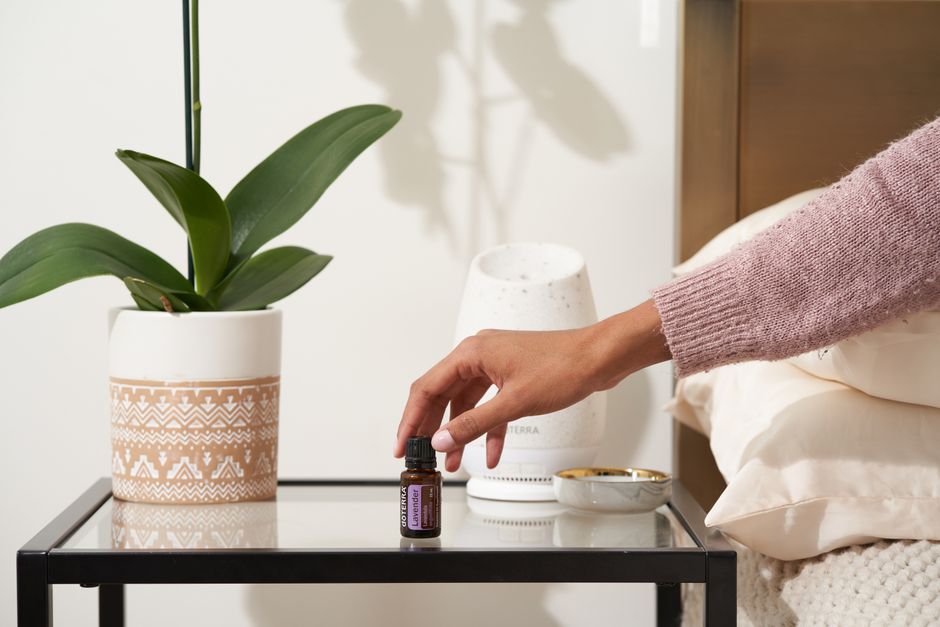
Most anxious cats don’t need calming — they need their environment fixed. That’s the counter-intuitive truth I kept missing for almost two years while I was focused on supplements, sprays, and anything I could buy at the pet store. My cat, a rescue tabby I’d had since he was about four months old, was hiding under the bed, hissing at nothing, and pulling fur from his lower belly. I was treating the symptoms. The environment was the disease.
I’m not saying natural remedies don’t work. Some of them genuinely helped once I used them in the right context. But I spent real money — and more importantly, real time — going through them in the wrong order, for the wrong reasons. So before you reach for the lavender diffuser, let me give you the honest picture: what these approaches actually do, where they fall short, and how I eventually pieced together something that worked.
The Appeal of Going Natural — And Why It Can Backfire
There’s a reasonable instinct behind wanting to avoid medication for a cat’s anxiety. Prescription options like fluoxetine or gabapentin carry real side effects — sedation, appetite changes, the need for ongoing bloodwork in some cases. Going natural feels gentler, less invasive. I get it. I felt the same way.
The problem is that “natural” gets treated as automatically safe, and that’s not always true for cats. Cats have a uniquely limited ability to metabolize certain compounds — they lack specific liver enzymes that most mammals use to process things like phenols and some essential oils. Lavender, tea tree oil, and eucalyptus, which show up constantly in “calming” products marketed for pets, can be toxic to cats depending on concentration and exposure. I didn’t know this for the first several months I was running a diffuser in my living room.
So the first honest “con” of the natural remedy path is this: the safety profile is not as clean as the marketing suggests. You have to read labels carefully and, ideally, run anything new by your vet before you use it around your cat.
What the Research Actually Supports (And What’s Just Folklore)
Let me be direct about something: a lot of the “natural cat calming” space is not well-supported by rigorous clinical research. That doesn’t mean every approach is useless — it means you should calibrate your expectations.
Feliway and Synthetic Feline Pheromones
This is the one area where I feel comfortable pointing to actual evidence. Feliway — a synthetic version of the feline facial pheromone cats deposit when they rub their face on objects — has been studied in peer-reviewed veterinary contexts. Research published in veterinary behavioral journals has shown it can reduce urine marking and some stress-related behaviors, though results vary between individual cats. It’s not a miracle, but it’s not snake oil either.
I used the diffuser version for about three months. My cat stopped spraying near the front door. He still hid during thunderstorms. One problem solved, one ongoing.
L-Theanine and Casein-Based Supplements
Products containing L-theanine (an amino acid found in green tea) and alpha-casozepine (a casein-derived compound from milk) have been studied in cats with some positive results for anxiety-related behaviors. Brands like Zylkene use casein as the active ingredient and have been evaluated in veterinary studies, though sample sizes tend to be small. I used Zylkene for about six weeks during a move — it seemed to take the edge off, but I can’t tell you with certainty how much was the supplement and how much was the fact that I was also making other changes at the same time.
That’s the honest problem with anecdotal self-reporting, including mine: cats are sensitive to everything, and it’s hard to isolate variables.
Catnip — The Wildcard
Catnip works on roughly 50 to 70 percent of cats, and the response is genetic. Some cats get a euphoric burst of energy, then settle into a calm state afterward. Others get agitated. A small percentage show no response at all. My cat falls into the “briefly manic, then sleepy” category, which I’ve used to my advantage before vet visits — fifteen minutes of catnip play, then a carrier that doesn’t feel like a death trap. It’s not anxiety treatment, but it’s a useful tool in specific situations.
Valerian Root
Valerian gets recommended a lot in natural pet care circles. Honestly, the evidence in cats is thin, and the smell is genuinely awful. I tried it once in a dried herb form and my cat rolled on it aggressively, then was jumpy for two hours. Your cat’s mileage will absolutely vary. I wouldn’t prioritize this one.
The Environmental Side — Where I Should Have Started
Here’s what changed everything for me, and it cost almost nothing.
Cats are territorial animals with a strong need for vertical space, predictable routines, and the ability to observe without being exposed. When those needs aren’t met, what looks like “anxiety” is often just a cat whose environment doesn’t support its basic behavioral requirements. I’d been treating my cat like a small dog — expecting him to adapt to my schedule, my visitors, my noise level — and wondering why he was stressed.
Vertical Space and Safe Zones
I added a floor-to-ceiling cat tree near a window and put a covered bed on a high shelf in the bedroom. Within two weeks, my cat was hiding under the bed less. He started choosing the high shelf instead — still withdrawn, but visibly watching the room rather than disappearing from it. That shift matters. A cat who is watching is less overwhelmed than one who is hiding.
Consistent Routine
Cats are not flexible creatures. I started feeding at the same times, playing at the same time each evening, and keeping the apartment quieter in the hour before bed. Small changes. The hiding episodes dropped noticeably over about a month. I can’t give you a percentage — I didn’t run a study on my own cat — but the difference was visible.
Reducing Unpredictable Stressors
Guests were a trigger. I started giving my cat a room of his own when people came over, with his litter box, food, water, and a worn T-shirt that smelled like me. He stopped the stress-grooming — the fur pulling — within about six weeks of making this one change. I’d been trying supplements for months. A closed door did more.
The Honest Pros and Cons Side-by-Side
I want to lay this out plainly, because I’ve seen too many articles that either oversell natural remedies or dismiss them entirely.
Where natural approaches genuinely help:
- Mild to moderate situational anxiety — vet visits, travel, guests, short-term changes
- As a complement to environmental changes, not a replacement for them
- In cats where medication side effects are a real concern (older cats, cats with liver issues — discuss with your vet)
- Pheromone products for specific behavioral issues like spraying or inter-cat tension
Where natural approaches fall short:
- Severe, chronic anxiety — the kind where a cat can’t eat, self-mutilates, or is in obvious distress most of the time
- When the root cause is medical (hyperthyroidism, pain, cognitive dysfunction in older cats) — no calming remedy fixes an underlying health problem
- When used as a substitute for environmental changes rather than an addition to them
- Anything essential-oil-based used without careful vetting for cat safety
My honest position: natural remedies are a real tool, not a complete solution. The moment I treated them as one layer of a larger approach — not the whole answer — things started improving.
The Vet Visit You’re Probably Delaying
I delayed it too. Partly because of cost, partly because I thought I could figure it out myself. Here’s what I eventually learned: what looks like anxiety is sometimes pain. A cat hiding constantly could have dental disease, arthritis, or a urinary issue. A cat over-grooming could have a skin allergy. My vet was the one who spotted that my cat had mild dental inflammation — not severe, but enough to make him irritable and reactive. Once that was treated, his baseline stress level dropped noticeably without me changing anything else.
I’m not saying every anxious cat has a hidden medical issue. I’m saying that ruling it out is a prerequisite to treating anxiety, natural or otherwise. Skipping the vet visit to save money can mean months of treating the wrong thing.
A Practical Sequence That Actually Makes Sense
If I were starting over, this is the order I’d follow — not because it’s a formula, but because it reflects the actual logic of what works:
- Rule out medical causes first. Baseline vet visit, mention the behavioral symptoms specifically.
- Audit the environment before buying anything. Does the cat have vertical space? Predictable routines? A safe retreat that isn’t under the bed? Fix these first.
- Add pheromone products if there are specific triggers — new pets, moving, guests. Feliway or similar products with actual research behind them.
- Consider evidence-supported supplements for situational anxiety — L-theanine or casein-based products, with vet input, for things like travel or vet visits.
- If anxiety is severe and persistent, don’t wait. Talk to your vet about whether a referral to a veterinary behaviorist or a short-term medication trial makes sense. There’s no prize for avoiding medication if your cat is suffering.
What I Changed My Mind About
I used to think that reaching for medication meant you’d failed at the natural approach. That was wrong, and it was also a little arrogant — the idea that my preference for “natural” should outweigh my cat’s actual wellbeing. Some cats need medication, at least temporarily, the same way some people do. A cat with severe anxiety isn’t less deserving of relief because the source of that relief comes from a pharmacy.
What I still believe is that environmental work is underrated and undersold. Most articles about cat anxiety lead with products — sprays, supplements, diffusers — because products are easy to recommend and easy to buy. The behavioral and environmental work is harder to write about because it’s specific to each cat and each home. But it’s where I saw the most lasting change.
The natural remedies I kept using — pheromone diffusers during high-stress periods, the occasional L-theanine supplement before travel — they work better now because the foundation is solid. A calm environment makes every calming tool more effective. A chaotic environment makes all of them almost irrelevant.
One Thing Most Articles Won’t Tell You
Anxious cats often make their owners anxious. I noticed this in myself — I was hovering, checking on him constantly, reacting every time he flinched. Cats read body language with unsettling precision. My own tension was feeding his. Learning to be more relaxed and neutral around him, to not rush over every time he seemed unsettled, was genuinely part of the process. It felt counterintuitive — isn’t ignoring a stressed cat unkind? But cats don’t experience comfort the way dogs do. Forced reassurance often increases their stress rather than reducing it. Giving him space while keeping the environment predictable was kinder than hovering.
That’s not something any supplement can teach you, and it’s not something that shows up on a product label.
The through-line in all of this: calming an anxious cat is mostly about removing what’s causing the anxiety, not adding something to suppress it. Natural remedies can smooth the edges of that process — they’re real, some of them are well-supported, and used correctly they’re worth trying. But they’re support, not structure. Get the structure right first, and the remedies will actually have something to work with.

Publicar comentário