Why Your Dog’s Digestive Issues Might Need Microbiome Testing
Most dog owners assume that if their dog is eating, drinking, and not showing obvious signs of pain, a little loose stool or occasional vomiting is just… normal. Something you manage with a bland diet for a few days, maybe a probiotic from the pet store, and then move on. I thought the same thing for a long time. And I was wrong in a way that cost my dog — and my wallet — more than I’d like to admit.
Here’s the counter-intuitive part: chronic digestive issues in dogs are rarely about the food itself. They’re usually about what’s living in the gut — and whether that community of microorganisms is balanced, diverse, or completely disrupted. The food is just the environment. The microbiome is the ecosystem. And until recently, we had almost no practical way to actually look at that ecosystem in a living dog without invasive procedures.
Microbiome testing for dogs changed that. Whether it changed it enough to justify the cost, the waiting, and the uncertainty — that’s what I’m still figuring out.
What Microbiome Testing Actually Involves (Not What the Packaging Implies)
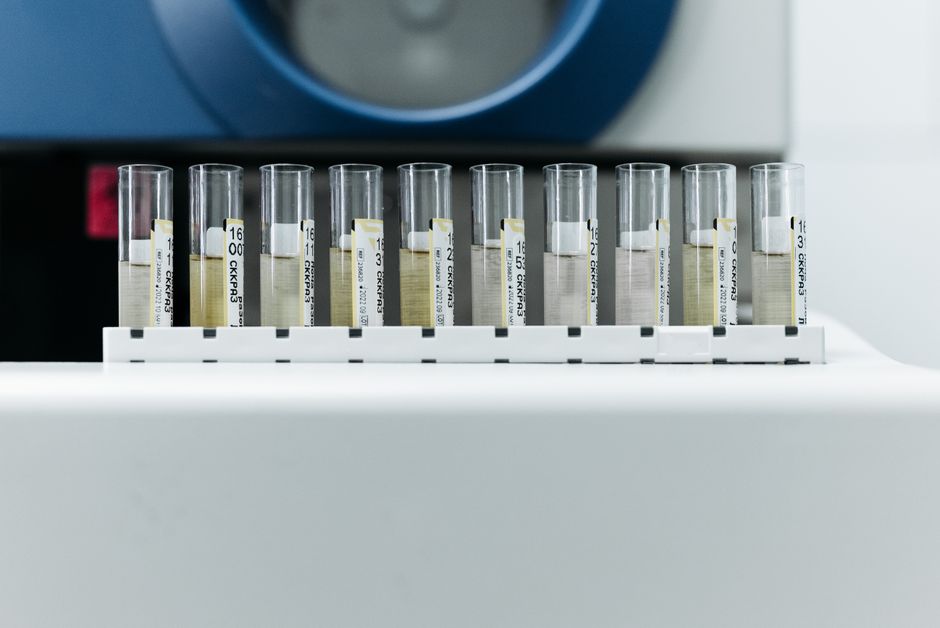
The basic process is straightforward: you collect a small stool sample from your dog, mail it to a lab, and receive a report — usually within a few weeks — that profiles the bacterial composition of your dog’s gut. Some services look at broader microbial diversity; others focus on specific bacterial populations known to be associated with gastrointestinal health in dogs.
What the marketing often glosses over is that the science here is genuinely young. Canine gut microbiome research has accelerated significantly, but we’re still building the reference databases. A 2022 paper published in PLOS ONE by researchers working on comparative gut microbiome data across domesticated animals noted that canine-specific reference sets are still maturing compared to human microbiome databases. That matters because your dog’s report is only as meaningful as the baseline it’s being compared to.
The tests I’ve seen typically fall into two categories:
- Diversity-focused panels — these tell you how many different types of bacteria are present and whether diversity is low, moderate, or high relative to a reference population of healthy dogs.
- Condition-specific panels — these flag specific dysbiosis markers, such as low populations of Fusobacteria or overgrowth of certain Proteobacteria, that have been associated with conditions like chronic enteropathy in clinical research.
Neither type tells you why the imbalance exists. That’s a limitation nobody emphasizes loudly enough.
The Case For Testing: When It Actually Adds Something
I’ll give this its fair hearing, because there are real scenarios where microbiome testing provides information that nothing else does.
When Standard Diagnostics Keep Coming Back “Normal”
If your vet has run bloodwork, a fecal parasite panel, and maybe even imaging, and everything looks fine on paper — but your dog is still having chronic soft stool, intermittent vomiting, or unexplained weight shifts — microbiome testing can be the next logical step. It’s looking at a layer of biology that routine diagnostics completely skip.
Researchers at Texas A&M’s Gastrointestinal Laboratory have done substantial work characterizing the canine dysbiosis index, a scoring system based on specific bacterial populations that correlates with GI disease severity. Having a test that speaks to that index directly gives a vet more to work with than “the standard panels were unremarkable.”
Monitoring After Antibiotic Treatment
This one doesn’t get talked about enough. Antibiotics are often necessary, but they can significantly disrupt gut bacterial communities in dogs — sometimes for months after the course ends. A post-antibiotic microbiome snapshot can reveal whether populations have recovered or whether targeted support (specific probiotic strains, dietary adjustments) is still needed. That’s genuinely useful information, not just marketing fluff.
Baseline Data for Dogs With Known GI Vulnerabilities
Certain breeds — German Shepherds, Yorkshire Terriers, Irish Setters — have documented predispositions to conditions like exocrine pancreatic insufficiency, inflammatory bowel disease, or food-responsive enteropathy. Having a microbiome baseline before symptoms escalate gives you something to compare against when things do go sideways. It’s the kind of proactive data that actually helps a vet make faster decisions.
The Case Against — or at Least, for Serious Caution
I want to be honest here, because the enthusiasm around microbiome testing can get ahead of what the evidence actually supports.
Actionability Is Often Vague
The most frustrating thing about the report I received was the gap between what it identified and what it told me to do about it. The results flagged a low diversity score and reduced populations of certain beneficial bacterial families. The recommendations? “Consider a high-fiber diet, consult your veterinarian about probiotic supplementation.”
That’s not nothing — but it’s also not far from what any reasonably informed dog owner might try anyway. The test added specificity to the diagnosis but not much specificity to the intervention. That’s a real limitation, and it’s not unique to one company; it reflects where the science currently sits.
Reference Databases Are Still Evolving
Your dog’s results are only meaningful in comparison to a healthy reference population. But what counts as “healthy”? A 2-year-old Border Collie on a raw diet in Colorado and a 10-year-old Labrador eating kibble in Florida are both “healthy dogs” — and their microbiomes might look meaningfully different for reasons that have nothing to do with disease. The more granular the reference data becomes (by age, breed, diet type, geography), the more useful these tests will be. We’re not fully there yet.
It Can Create an Illusion of Completeness
This one is more psychological than scientific, but it’s real: when you get a detailed-looking report with charts and bacterial taxonomy breakdowns, it can feel like you’ve gotten to the bottom of the problem. You haven’t necessarily. Microbiome testing is one input, not a diagnosis. I’ve seen people — myself included, briefly — delay a vet visit because they felt like they’d “done something” by ordering a test. That’s a trap.
Cost Versus Clinical Integration
At-home microbiome tests for dogs typically run between $100 and $200 USD as of 2026, depending on the panel. That’s not trivial. More importantly, many general practice veterinarians don’t have deep training in interpreting these results, which means you may end up with a report that neither you nor your vet fully knows how to act on. Veterinary internal medicine specialists are better equipped — but seeing one adds another layer of cost and access friction, particularly outside major metro areas.
Where I Actually Stand After Going Through This
I’ve come to think microbiome testing is a genuinely useful tool in a specific context: as part of a broader diagnostic workup for dogs with chronic, unresolved GI symptoms that haven’t responded to standard interventions. In that scenario, the additional data layer is worth the cost and the waiting.
For a dog with occasional loose stool that clears up in a few days? I’d skip it. Not because the information isn’t interesting, but because the actionability doesn’t justify the expense when simpler steps — a food transition, a vet-recommended probiotic, a dietary elimination trial — haven’t even been tried yet.
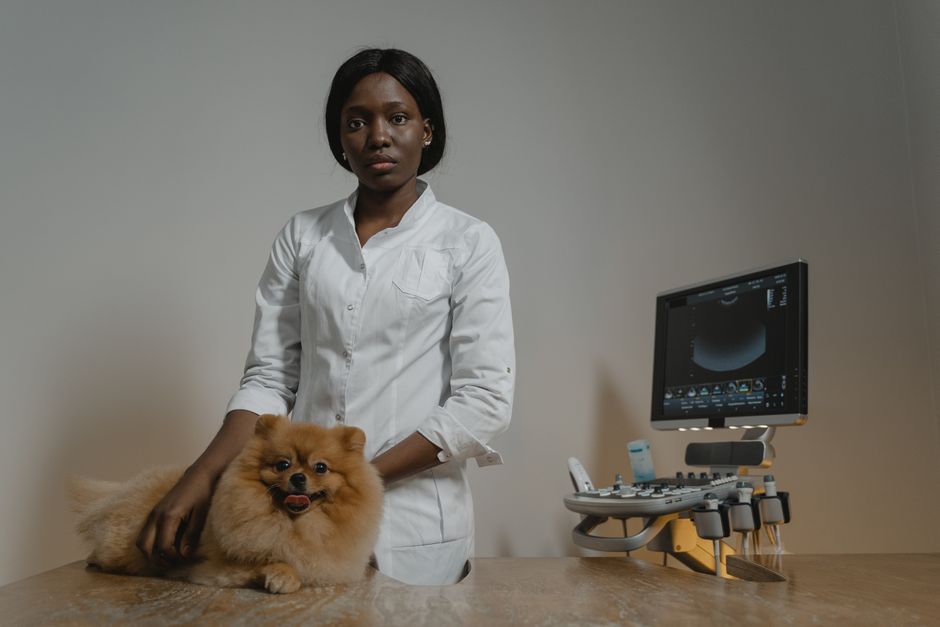
What genuinely surprised me was how much the conversation changed when I brought the results to a veterinary internist rather than my regular vet. The internist had a framework for interpreting the dysbiosis markers and could connect them to a more targeted dietary protocol. That consultation — not the test itself — was where the value actually lived. The test was the ticket to that conversation.
What I’d Do Differently
If I were starting over, I’d:
- Get a baseline microbiome test before any antibiotic course if one was coming, so I’d have a pre-treatment comparison point.
- Make sure my vet — or a specialist — had familiarity with the specific lab’s reporting format before ordering. Not all vets are equally comfortable with these reports, and that matters more than I initially realized.
- Treat the report as a conversation starter, not a conclusion. The moment I started reading it as a starting point rather than an answer, it became much more useful.
The Practical Questions to Ask Before You Order a Test
If you’re considering microbiome testing for your dog, these are the questions that will actually shape whether it’s worth it for your specific situation:
- Has your vet ruled out parasites, infections, and structural issues first? Microbiome testing is a second-tier diagnostic tool, not a first step. Start with the basics.
- Is your dog’s GI issue chronic (recurring over weeks or months) or acute (recent and isolated)? Chronic issues are where microbiome data adds the most signal.
- Does your vet know how to interpret the results from the specific lab you’re using? Ask directly. If the answer is uncertain, ask about a referral to a veterinary internist.
- Are you prepared to act on ambiguous results? Not every report will point to a clear intervention. If you’re expecting a definitive answer, you may be disappointed.
- Has your dog recently been on antibiotics or had a major diet change? Timing matters. A microbiome snapshot taken during or immediately after antibiotic treatment reflects a disrupted state, not a baseline.
The Bigger Picture: What This Testing Reveals About Veterinary Medicine Right Now
There’s something almost uncomfortable about microbiome testing’s current position in veterinary care. The science supporting the gut-health connection in dogs is real — researchers at institutions like the University of California Davis and various veterinary schools have published meaningful work on canine gut dysbiosis and its relationship to conditions like chronic enteropathy and even behavioral health. The technology to profile that gut ecosystem is accessible and increasingly affordable.
But the clinical infrastructure — the training, the interpretation frameworks, the established treatment protocols — is still catching up. That gap between what the technology can detect and what veterinary practice can confidently act on is where dog owners tend to get lost. You end up with a report that feels authoritative but sits in a clinical gray zone.
That’s not an argument against testing. It’s an argument for being clear-eyed about what you’re buying. You’re buying data and a conversation — not a solution. Whether that’s worth it depends entirely on where you are in your dog’s diagnostic journey and whether you have a vet who can do something meaningful with what the data shows.
I’m still in the middle of this process with my own dog. The microbiome results contributed to a dietary protocol change that seems to be helping — softer stools are firming up, energy is better, the vomiting is less frequent. But I can’t tell you with certainty that the test was the turning point, because several things changed at once. That ambiguity is, I think, the most honest summary of where microbiome testing for dogs currently sits.
So here’s what I keep coming back to: if we can already see that a dog’s gut bacterial community is measurably different during disease versus health — and we can — what would it actually take for veterinary practice to build the treatment protocols specific enough to make that knowledge consistently actionable for every dog owner, not just the ones who happen to find the right specialist?


Publicar comentário