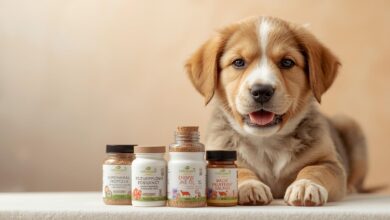
7 Pawsome Sustainable Pet Food Trends to Watch in 2026

The pet food industry is going through one of the most exciting transformations it has ever seen, and 2026 is shaping up to be a landmark year for sustainable, eco-conscious pet nutrition. Pet parents across the United States are no longer just asking what’s in their dog’s bowl or their cat’s kibble — they’re asking where it came from, how it was made, and what kind of footprint it leaves on the planet. That shift in mindset is pushing brands to think harder, get more creative, and genuinely step up their game when it comes to sustainability. Whether you have a Golden Retriever, a rescue tabby, or a tiny hamster, these trends are worth knowing about — because what your pet eats today shapes the world they’ll live in tomorrow.
1. Upcycled Ingredients Are Taking Over the Pet Food Aisle
One of the most exciting movements in sustainable pet food right now is the use of upcycled ingredients — and it’s only going to get bigger in 2026. The concept is simple but brilliant: instead of letting perfectly nutritious food byproducts go to waste, pet food manufacturers are repurposing them into high-quality pet meals and treats. We’re talking about leftover fruits and vegetables from human food processing, spent grains from craft breweries, and even fish trimmings that would otherwise be discarded. These ingredients are often just as nutritious — sometimes even more so — than traditionally sourced ones, and they come with a dramatically smaller environmental footprint.
For eco-conscious pet parents, this trend is a win on every level. You’re feeding your furry friend quality nutrition while actively helping to reduce the staggering amount of food that ends up in landfills every year. Brands that are leaning into this circular economy model are not just making smarter business decisions — they’re building real loyalty with consumers who genuinely care about sustainability. If you haven’t already, start checking labels and looking for certifications like the Upcycled Food Association’s seal, which signals that a brand is committed to responsible ingredient sourcing.
2. Plant-Based Proteins Are No Longer Just a Trend — They’re a Movement
The plant-based revolution didn’t stop at human food, and by 2026, it’s firmly planted its roots in the pet food world too. More and more pet parents are turning to meat-free or meat-reduced pet food options, driven by both environmental concern and a growing body of research showing that certain plant proteins can absolutely support healthy, thriving pets. Lentil-based kibble, pea protein formulas, hemp-infused treats, and chickpea-packed wet food are no longer niche products tucked away in the corner of a health food store — they’re becoming mainstream staples in pet retail across America.
The environmental case for plant-based pet food is hard to ignore. Traditional animal agriculture is one of the biggest contributors to greenhouse gas emissions, deforestation, and water usage. When you swap even one bag of conventional kibble for a plant-based alternative, the cumulative impact across millions of households becomes genuinely significant. And before you worry about your dog or cat missing out on essential nutrients, know that today’s plant-based pet food formulations are carefully crafted with the guidance of veterinary nutritionists to ensure complete and balanced diets. Your pet can thrive on plants — and the planet will thank you for it.
3. Transparency in Sourcing Is Becoming Non-Negotiable
Here’s something that has changed dramatically in recent years: pet parents want to know everything. Not just the ingredient list on the back of the bag, but the full story — where the ingredients were grown, who farmed them, how far they traveled to get to the factory, and what farming practices were used along the way. In 2026, brands that can’t answer those questions clearly and honestly are going to find themselves losing customers fast. Transparency is no longer a bonus feature — it’s a baseline expectation.
- Local and regional sourcing: Brands are increasingly partnering with nearby farms and suppliers to reduce transportation emissions and support local economies, giving pet parents confidence that they know exactly where their pet’s food is coming from.
- Detailed supply chain storytelling: Forward-thinking companies are using QR codes on packaging to let customers trace ingredients all the way back to the farm or fishery, creating a level of accountability that was unimaginable just five years ago.
- Ethical farming certifications: Labels like Certified Humane, Rainforest Alliance, and organic certifications are becoming more prominent on pet food packaging, helping consumers make informed choices that align with their values.
- Carbon footprint labeling: Some pioneering brands are even beginning to include estimated carbon footprint data on their packaging, similar to what we’re starting to see in human food, allowing eco-aware shoppers to compare products side by side.
- Honest marketing: Greenwashing — the practice of making vague or misleading environmental claims — is increasingly being called out by consumers and advocacy groups, which means that only brands with genuine sustainability credentials will earn and keep trust in 2026.
4. Functional Superfoods Are Supercharging Pet Nutrition
Pet food in 2026 isn’t just about keeping your furry friend alive and fed — it’s about helping them thrive. The rise of functional superfoods in pet nutrition is one of the most compelling trends of the year, blending the worlds of holistic health and evidence-based nutrition in a way that’s genuinely exciting. We’re seeing antioxidant-rich berries like blueberries and cranberries added to formulas to support immune function. Omega-rich algae oils are being used as a sustainable alternative to fish oil, delivering incredible benefits for skin and coat health without the environmental concerns associated with traditional fish sourcing. Adaptogenic herbs like ashwagandha and turmeric are making their way into pet treats and supplements to help manage stress and inflammation.
This isn’t just wellness marketing fluff — there’s real science behind many of these ingredients, and veterinary researchers are increasingly validating their benefits for companion animals. The idea is to move beyond basic macronutrient profiles and build pet foods that offer targeted, functional benefits. A senior dog dealing with joint stiffness might benefit from a formula enriched with glucosamine and anti-inflammatory botanicals. A high-anxiety cat might respond beautifully to a treat infused with calming herbs. The pet food aisle in 2026 is essentially becoming a functional health food store, and that’s genuinely great news for our four-legged companions.
5. Probiotics and Gut Health Are Front and Center
If there’s one area of pet health that has captured the attention of both scientists and everyday pet parents in recent years, it’s gut health. The connection between a healthy gut microbiome and overall wellness — including immune function, mental health, digestion, and even behavior — is now well-established in human medicine and increasingly recognized in veterinary science too. In 2026, probiotic-enriched pet foods and treats are one of the fastest-growing segments of the sustainable pet food market, and for good reason. A pet with a thriving gut biome is a healthier, happier, more resilient animal.
What’s really interesting is how this trend intersects with sustainability. Many of the fermentation processes used to cultivate beneficial probiotic bacteria are relatively low-impact from an environmental standpoint. Some brands are even using fermentation to create novel protein sources that are both gut-friendly and eco-conscious. For pet parents, the practical takeaway is straightforward: look for products that list specific probiotic strains on the label — like Lactobacillus acidophilus or Bifidobacterium animalis — rather than vague references to “beneficial bacteria.” Specificity in labeling is usually a sign that a brand actually knows what they’re doing.
6. Personalized Nutrition Is Changing the Way We Feed Our Pets
One-size-fits-all pet food is rapidly becoming a thing of the past. In 2026, personalized pet nutrition is one of the most talked-about and fastest-growing segments of the entire pet industry. The logic is compelling: just as no two humans have exactly the same nutritional needs, no two pets are identical either. A three-year-old Border Collie who runs five miles a day has very different dietary requirements than a nine-year-old indoor Persian cat who spends most of her time napping in sunbeams. Progressive brands are responding to this reality by offering customizable subscription plans that allow pet owners to tailor meals based on their pet’s breed, age, weight, health conditions, activity level, and even personal food preferences.
This personalization trend also has meaningful sustainability implications. When you’re feeding your pet exactly what they need — no more, no less — you’re reducing food waste dramatically. Portion optimization means fewer half-eaten bowls, fewer discarded bags of food that your pet turned their nose up at, and less overall consumption of resources. Some companies are even using AI-driven algorithms and veterinary input to continuously refine their formulas based on customer feedback and pet health data. It sounds futuristic, but it’s happening right now, and it’s going to become the norm rather than the exception over the next few years.
The sustainable pet food movement of 2026 is ultimately about something bigger than just what goes into your pet’s bowl — it’s about recognizing that the choices we make for our animals are deeply connected to the health of the planet we all share. 🌿 Whether you start by switching to a brand that uses upcycled ingredients, exploring plant-based protein options, or simply demanding more transparency from the companies you already buy from, every small step adds up to something genuinely meaningful. Your pet deserves the best nutrition possible, and the planet deserves your most thoughtful choices — and in 2026, you don’t have to choose between the two. 🐾