Why Vets Are Switching Pets to Insect Protein
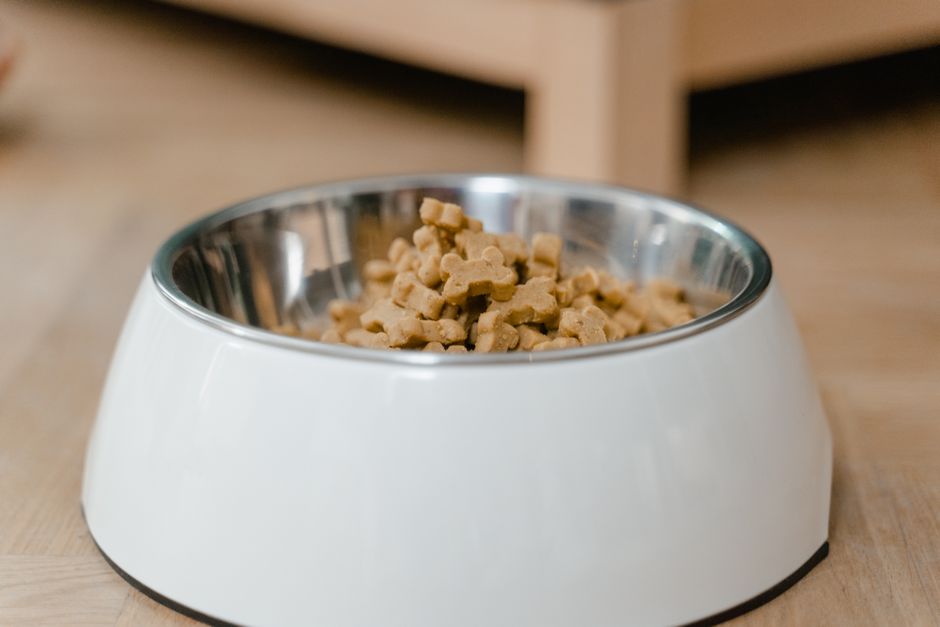
My neighbor’s golden retriever, Biscuit, had been scratching herself raw for about eight months. They’d tried three different prescription diets, spent close to $2,400 at the dermatologist, and were running out of options. Then their vet in Denver mentioned something that made them pause: black soldier fly larvae. Not as a supplement. As Biscuit’s entire protein source.
They thought she was joking.
She wasn’t — and within six weeks, the scratching had dropped dramatically. That’s not a miracle story. That’s a pattern a growing number of vets are starting to recognize, talk about, and recommend. And it’s worth understanding why, especially if your own dog or cat has been through the diagnostic carousel of food allergies, itchy skin, and inconclusive tests.
The Real Problem Isn’t Allergies — It’s Novelty Proteins Your Pet Has Never Met
Most food-sensitive pets aren’t reacting to “meat” in general — they’re reacting to specific proteins they’ve been repeatedly exposed to. Chicken is in almost every commercial pet food on the market. Beef is a close second. By the time a dog or cat develops a food sensitivity, their immune system has seen those proteins hundreds of times. The fix isn’t always an elimination diet that costs a fortune — sometimes it’s switching to a protein the immune system has never encountered before. That’s where insects come in.
Insects like black soldier fly larvae, crickets, and mealworms are what nutritionists call novel proteins. For most pets in the US, their immune system has zero history with these ingredients. No prior exposure, no sensitization, no reaction. That’s the actual mechanism behind why insect-based diets are helping allergic pets — not because insects are magic, but because they’re genuinely new to the body.
This also explains something that confused a lot of pet owners early on: why exotic meats like kangaroo or venison eventually stopped working for some pets. If a food becomes popular enough, it stops being novel. Insect protein, for now, is still genuinely foreign to most American pets’ immune histories.
What the Research Actually Says About Insect Protein for Pets
Insect protein isn’t fringe science. The European Food Safety Authority evaluated black soldier fly larvae as a feed ingredient several years back and found the amino acid profile comparable to conventional animal proteins. Digestibility studies on dogs showed protein digestibility rates in the range of 87–91%, which puts insect meal in the same conversation as chicken meal and fish meal — not below them.
Industry analysts tracking the pet food sector have noted that the insect-based pet food segment was one of the fastest-growing sub-categories heading into the mid-2020s, with projected compound annual growth rates in the double digits. That kind of market movement doesn’t happen without veterinary adoption pushing it forward.
A few things the research consistently shows:
- Insect protein contains all essential amino acids, including lysine and methionine — both critical for dogs and cats.
- Black soldier fly larvae are particularly high in lauric acid, a medium-chain fatty acid with known antimicrobial properties.
- Insects are naturally high in chitin, a fiber-like compound that may support gut microbiome diversity, though long-term studies in pets are still ongoing.
- The environmental footprint is significantly smaller than beef or chicken production — roughly 12 times less land use per gram of protein compared to beef.
That last point matters to a lot of pet owners right now, particularly younger ones who are already thinking about their own diet’s impact on the planet and want that consistency to extend to their pets.
One Dog’s Eight-Week Transition: What Actually Happened
Back to Biscuit. Her owner — I’ll call her Dana — started the switch in late fall. The vet recommended a slow transition: 25% new food mixed with 75% old food for the first week, then 50/50 for week two, then 75% new for week three, and full transition by week four. Standard protocol, nothing dramatic.
Week one: Biscuit wasn’t sure about it. She’d sniff the bowl, eat half, walk away. Dana almost gave up on day five.
Week three: full appetite back, and Dana noticed the scratching at the base of Biscuit’s tail had visibly calmed down. She texted me a photo — the fur was growing back in a spot that had been bald for months.
Week six: their vet confirmed the improvement was consistent with a food sensitivity resolution. Not a cure, not a miracle — a resolution. Biscuit still gets the occasional itch from environmental allergens. But the constant, relentless scratching stopped.
The part Dana didn’t love: the kibble smelled different. Not bad, just different — earthier. She described it as “a bag of fish food, but less fishy.” That’s not a dealbreaker, but it’s real. If you’re squeamish about the smell of certain pet foods, insect-based options have a distinct scent profile you should know about going in.
What Vets Are Actually Recommending (And Why It Took So Long)
Veterinary nutritionists have been cautiously watching insect protein for about a decade. The hesitation wasn’t about safety — it was about the lack of long-term feeding studies in dogs and cats specifically. Most of the early safety and digestibility data came from livestock research, not companion animals. That gap made board-certified veterinary nutritionists understandably conservative.
That’s shifted. More peer-reviewed studies focused specifically on dogs and cats have been published since 2020, and the data has been solid enough that vets who specialize in dermatology and internal medicine are now recommending insect-based diets — not as a last resort, but as a first-line novel protein option for suspected food sensitivities.
It also helps that several pet food brands have entered the US market with products that meet AAFCO (Association of American Feed Control Officials) nutritional standards. AAFCO is the body that sets the baseline for what “complete and balanced” means on a US pet food label. If you’re shopping, that phrase on the packaging still matters — insect-based or not.
What Doesn’t Work: Four Approaches That Waste Time and Money
I’ve watched enough people go through this process to have some opinions about what doesn’t actually help.
1. Rotating proteins hoping one will “reset” the sensitivity. This is backward. Rotating proteins increases the number of proteins your pet’s immune system gets exposed to. If they’re already sensitized, you’re adding more potential triggers, not reducing them. A true food trial requires a single novel protein for a minimum of 8–12 weeks, with zero treats or table scraps from other protein sources. Zero.
2. Buying “grain-free” as a proxy for hypoallergenic. Grain allergies in dogs and cats are relatively uncommon. The much more typical allergens are animal proteins — specifically chicken, beef, dairy, and egg. Switching to a grain-free food that still contains chicken solves nothing for a chicken-sensitive dog. The grain-free trend mostly served marketing budgets, not pets.
3. Trusting “limited ingredient” labels without reading them. A food can be labeled limited ingredient and still contain chicken fat, chicken broth, or chicken liver — which all count as chicken protein exposure. Read the full ingredient list, every time. “Limited ingredient” is a marketing term, not a regulated definition under AAFCO.
4. Skipping the vet consult and diagnosing food sensitivity yourself. I get it — vet visits are expensive and scheduling is a pain. But food sensitivity looks identical to environmental allergies from the outside. Your dog scratching in March might be reacting to tree pollen, not their food. Putting them through a strict eight-week food trial when the actual trigger is grass is a waste of everyone’s time. A basic consult can save you months.
What About Cats? The Picture Is More Complicated
Dogs and cats don’t have the same nutritional requirements, and insect protein for cats comes with a few extra considerations. Cats are obligate carnivores, which means they have specific needs — taurine, arachidonic acid, preformed vitamin A — that must come from animal sources. Insects do contain taurine, but the levels vary by species and processing method.
Commercially formulated insect-based cat foods that carry the AAFCO “complete and balanced” statement have been tested to meet these requirements. But if you’re considering a homemade or raw approach incorporating insect protein, that’s a conversation to have with a board-certified veterinary nutritionist, not a Reddit thread.
The good news: cats with food sensitivities seem to benefit from the novel protein mechanism the same way dogs do. The immune system doesn’t care what species you are — if it hasn’t seen the protein before, there’s nothing to react to.
The Sustainability Angle Isn’t Just Marketing
A lot of people wave off the environmental pitch as greenwashing. Fair instinct — there’s a lot of that in the pet industry. But the numbers on insect farming are genuinely different from conventional livestock.
Insects convert feed to protein far more efficiently than chickens or cattle. They can be raised on organic waste streams. They use a fraction of the water. And they don’t require the land clearing that drives habitat destruction in beef supply chains.
For pet owners who’ve already made changes to their own diet for environmental reasons — reducing beef, buying local — the idea that their 65-pound dog is eating the equivalent of several hundred pounds of chicken per year tends to land differently once it’s framed that way. Pets in the US collectively have a significant dietary carbon footprint. Insect protein is one of the few practical options that actually moves that number.
Three Small Steps You Can Take This Week
You don’t need to overhaul your pet’s diet tomorrow. Start here:
- Check your current pet food label today. Write down every protein source listed, including broths, fats, and meals. If you ever need to do a food trial, knowing your pet’s full protein exposure history is the starting point.
- Ask your vet one question at your next visit: “Would an insect-based novel protein trial make sense for my pet’s history?” You don’t need a special appointment — it can be a two-minute conversation at a routine checkup.
- Find one AAFCO-compliant insect-based pet food sold in the US and read the ingredient list and feeding guidelines. You’re not buying it yet — you’re just getting familiar with what’s actually available. Most major pet retailers now carry at least one option.
Biscuit is doing fine, by the way. Still on the insect-based food, still growing fur back in that one spot. Dana jokes that she’s the most environmentally responsible dog on the block. Biscuit is indifferent to that framing. She just wants dinner.

Publicar comentário