Your Puppy’s First Bath Without the Stress
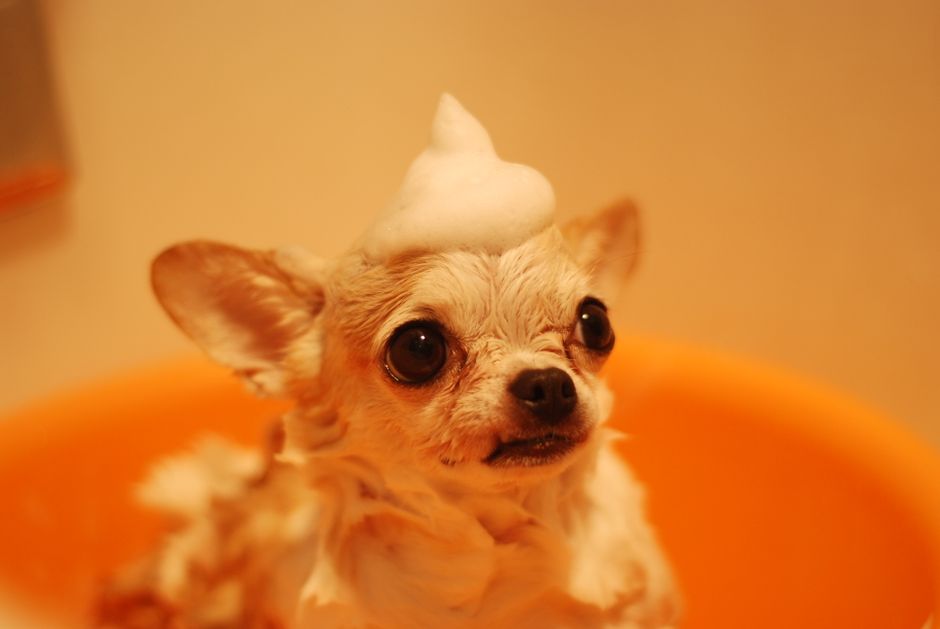
It’s a Saturday morning, 9:14 a.m., and your eight-week-old puppy has just rolled through something brown and suspicious in the backyard. You knew this moment was coming — you just hoped it would wait a little longer. Now you’re standing at the bathroom sink, holding a wriggling, wide-eyed furball who has absolutely no idea what a bathtub is, and you’re wondering if you’re about to terrify your dog for the next decade.
Here’s the thing most new puppy owners get wrong: they think the first bath is about getting the dog clean. It’s not. The first bath is about teaching your puppy that water is survivable. If you rush it, skip the prep, or just dunk the dog because you need the smell gone by noon, you’re not just dealing with a wet puppy — you’re potentially creating a dog that shakes and panics every single time a bath comes up for the next 12 years. That’s the actual problem. Not the smell. Not the mud. The association your puppy forms in the next 20 minutes.
Industry surveys of professional groomers consistently point to one finding: dogs who had a calm, positive first bath experience are significantly easier to groom throughout their lives. That’s not a small thing when you consider that most dogs need bathing every four to six weeks, and professional grooming sessions can run $60 to $120 depending on breed and location. A traumatized dog who fights the tub costs you more money, more stress, and more guilt every single time.
1. Wait Until the Right Age — But Not Too Long
Most puppies are ready for their first real bath between 8 and 12 weeks old, but only if they’ve been weaned and are healthy. Before 8 weeks, puppies can’t regulate their body temperature well enough to handle getting wet safely. After 12 weeks, you start missing the critical window where new experiences are easiest to normalize.
If your puppy came home at 8 weeks and is already making messes — which they will — you can spot-clean with a warm, damp cloth for the first week or two. Save the full bath for week 9 or 10 when they’re a little steadier on their feet and a little less overwhelmed by literally everything.
One more thing: hold off on a full bath for at least 48 hours after any vaccination. Your vet will likely remind you, but it’s easy to forget when there’s mud involved.
2. Gather Your Gear Before the Dog Hits the Water
The fastest way to make a puppy bath go sideways is to realize mid-rinse that the towel is in the dryer. Once that puppy is wet and cold and confused, you have about 90 seconds before the situation deteriorates. Set everything up first — every single time.
Here’s what you actually need:
- A puppy-specific shampoo — adult dog shampoos and definitely human shampoos can disrupt a puppy’s more sensitive skin pH. Look for a tearless, fragrance-free formula. Several reputable pet brands make them; you’ll find options at any major pet retailer or your vet’s office.
- A non-slip mat — a $6 rubber bath mat changes everything. A puppy scrambling on a slick tub surface isn’t just stressful; it’s a fall risk.
- A detachable showerhead or a plastic cup — you want control over water direction. Blasting a puppy’s face with a fixed showerhead is a reliable way to create a bath-phobic dog.
- Two towels, not one — one for the initial drying, one for the wrap. Puppies lose body heat fast.
- High-value treats — not the dry biscuits. Real, soft treats that your puppy would do anything for. Small pieces of cooked chicken, pieces of a soft training treat, whatever makes their nose twitch.
Some owners swear by a lick mat spread with a thin layer of peanut butter (xylitol-free — always check the label) stuck to the wall of the tub. It gives the puppy something to focus on and creates a positive sensory experience while you work. I’ve seen this turn a squirmy, anxious puppy into a weirdly cooperative one in about three minutes.
3. Warm the Room and the Water Before Anything Else
Puppies are not small adults. Their ability to regulate body temperature is genuinely limited, especially under 12 weeks. The water should be comfortably warm — test it on the inside of your wrist, the same way you’d check a baby’s bath. Not hot, not cool. Just warm enough that you’d be fine sitting in it.
Run the water before you bring the puppy in. The sound of rushing water is already a lot to process. Let the room warm up a little. If it’s winter and your bathroom runs cold, a small space heater on the counter (away from the tub, obviously) for five minutes before bath time isn’t overkill — it’s just smart.
Keep the water level low if you’re using a tub — two to three inches max. You don’t need depth. You need coverage. A puppy standing in a few inches of warm water is far less frightened than one who suddenly feels like they’re swimming.
4. Go Slow on the First Entry
Don’t just place the puppy in the water. Let them sniff the tub first. Put them in the empty tub for 30 seconds with a treat, then take them out. Do it again. You’re building a non-threatening association before a single drop of water appears.
When you do add water, start at the back legs and work forward toward the head last. The face is the most sensitive area — ears, eyes, nose — and if you go there first, you’ve already lost the cooperation window. Wet the back, then the belly, then the chest, then — carefully — the neck and face, using your cupped hand rather than direct water flow.
Talk to your puppy the whole time. Not in a panicked “it’s okay, it’s okay, it’s okay” voice — that high-pitched reassurance actually signals to dogs that something is wrong. Keep your voice low, even, almost boring. You’re not rescuing them. You’re just washing them, and that’s completely unremarkable.
5. Keep the First Bath Under Five Minutes
The goal of the first bath is not a deep clean. The goal is a neutral-to-positive experience. That means you scrub what needs scrubbing, rinse thoroughly (leftover shampoo causes skin irritation), and get out. You have the rest of the dog’s life to perfect your technique.
Rinse longer than you think you need to. Shampoo residue left near the skin is one of the most common causes of post-bath itching and flaking in puppies. A good rule: once you think you’re done rinsing, do another 20 seconds.
Drying is part of the bath experience. Wrap the puppy immediately in the first towel and hold them close — the warmth and pressure is calming. Then switch to the second towel for the real drying. If your puppy tolerates a hair dryer, use it on the lowest heat setting and keep it moving, never pointing at the same spot for more than a second or two. Many puppies are terrified of dryers at first, and that’s fine — towel drying works, as long as you keep the puppy warm while they finish air-drying.
6. A Real-World First Bath, Including the Part That Didn’t Go Well
The first time I bathed a rescue puppy I’d had for four days — a three-pound Chihuahua mix who smelled like a gas station — I thought I was prepared. I had the mat, the shampoo, the treats. What I didn’t account for was that she’d figure out how to launch herself over the edge of the sink at around the two-minute mark. She wasn’t hurt. But she was soaking wet, running laps around the bathroom floor, and absolutely certain she’d escaped something terrible.
I wrapped her in the towel, sat on the bathroom floor with her for about 10 minutes, fed her small pieces of chicken, and kept my voice calm. The next bath, three weeks later, went fine. She wasn’t magically cured of her opinions, but she tolerated it. By bath four, she’d sit still for most of it.
The takeaway: one bad moment doesn’t ruin everything. Your recovery matters more than your preparation. Stay calm, end on something positive — even if that means just a treat at the end of a chaotic bath — and try again.
What Doesn’t Work (And Why You Should Stop Trying It)
A few approaches are incredibly common and consistently counterproductive:
- Forcing it through restraint alone. Holding a puppy down by force while they panic does not teach them the bath is safe. It teaches them the bath is something you survive. There’s a difference, and it shows up for years.
- Waiting until the dog is visibly filthy to introduce baths. The first bath shouldn’t be motivated by an emergency. If you wait until your puppy has rolled in something deeply offensive, you’re already stressed, they’re already wound up, and everyone is starting from a bad place. Introduce bath basics before it’s urgent.
- Using cold or lukewarm water to “toughen them up.” This is not a thing. Cold water doesn’t build character in an 8-week-old puppy. It just makes them cold and miserable and more likely to associate the tub with discomfort.
- Skipping the treat at the end because “they should just get used to it.” The treat at the end of the bath isn’t bribery — it’s classical conditioning. You’re closing the experience on a positive note. Skipping it because it feels unnecessary is skipping the most important 30 seconds of the whole process.
One More Thing Nobody Mentions: The Post-Bath Zoomies Are Normal
If your puppy sprints out of the bathroom and does three laps around the living room after their bath, they are not malfunctioning. The post-bath zoomies are a real, widely observed behavior — it’s a release of the tension that built up during the experience, combined with the slightly weird sensation of being clean and dry. It doesn’t mean the bath was traumatic. Let them run it out.
What you want to watch for instead: a puppy who shuts down, hides, or shows persistent fearful body language (tucked tail, flattened ears, refusing to eat) after the bath. That’s worth noting and worth adjusting your approach next time — or asking your vet whether there’s something else going on.
Start Here This Week
You don’t need to give a full bath today. Three small actions are enough to start:
- Put the non-slip mat in the empty tub or sink and let your puppy sniff it for two minutes today. No water. Just the mat and a treat.
- Pick up a tearless, puppy-specific shampoo before the first real bath — most pet stores carry them, and your vet’s office usually has a recommendation if you’re not sure which one to grab.
- Run warm water in the tub while your puppy is somewhere nearby — not in it, just close enough to hear it — and give them a treat. You’re starting to build the association before bath day even arrives.
That’s it. Three minutes of work this week, and you’ve already made the actual bath easier. The dog doesn’t know you’re preparing. You do — and that’s the whole point.

Publicar comentário