Hypoallergenic Dog Wipes: Which Brands Actually Work for Sensitive Skin
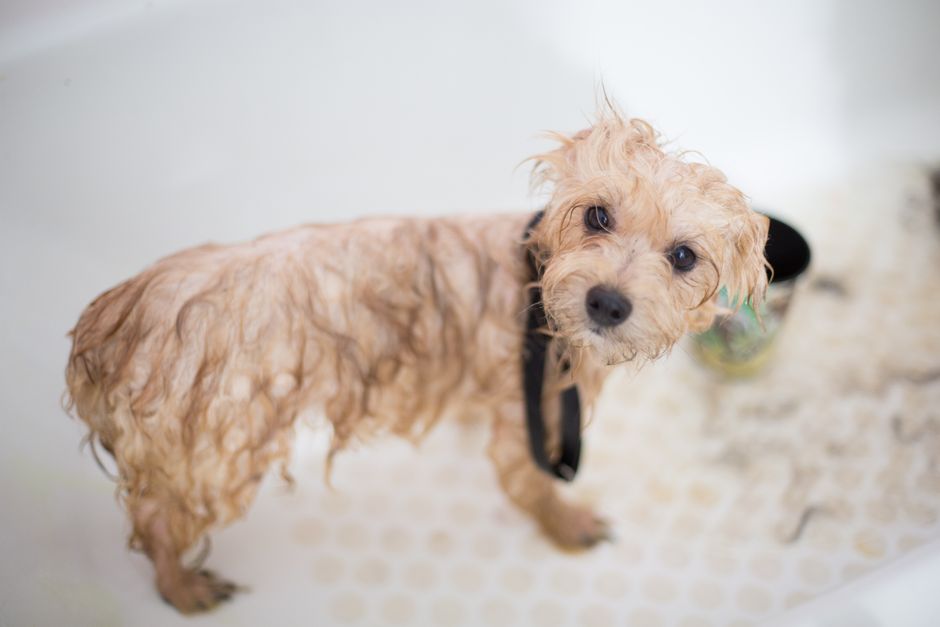
My golden retriever, Biscuit, used to scratch himself raw after I wiped him down after muddy walks. We’re talking 2 a.m., him whimpering, me Googling “why does my dog itch after bath wipes” like a sleep-deprived maniac. I tried four different brands in about six weeks before I realized the problem wasn’t that I was wiping him too much — it was that most dog wipes on the market are quietly loaded with ingredients that trigger reactions in sensitive-skinned dogs.
Here’s the non-obvious truth: the “hypoallergenic” label on dog wipes means almost nothing without reading the ingredient list. There’s no FDA-regulated definition of hypoallergenic for pet products. A company can slap that word on a package containing propylene glycol, synthetic fragrance, or methylisothiazolinone — a preservative that’s a known sensitizer — and it’s completely legal. So the label isn’t the filter. The ingredient panel is.
1. What “Hypoallergenic” Actually Means on a Dog Wipe Package
In the pet product industry, “hypoallergenic” is a marketing term, not a regulated claim. It signals intent, not a guarantee. Your job is to check whether the formula backs up that word — specifically looking for the absence of fragrance, alcohol, parabens, and known preservative sensitizers.
Veterinary dermatologists — the specialists who see dogs with chronic skin issues — typically look for wipes that are:
- Fragrance-free (not just “unscented,” which can still contain masking agents)
- Alcohol-free (isopropyl alcohol strips the skin barrier)
- Free of methylisothiazolinone (MI) and methylchloroisothiazolinone (MCI)
- pH-balanced for dogs (canine skin runs around 6.2–7.4, more alkaline than human skin)
- Made with soft, non-abrasive material — microfiber or cotton-blend, not polyester felt
The pH point is one most guides skip entirely. A wipe formulated for human skin (pH around 4.5–5.5) can disrupt a dog’s skin microbiome every single time you use it. Over weeks, that means chronic dryness, flaking, or secondary bacterial overgrowth. It’s a slow burn, not an immediate reaction — which is why owners often don’t connect the dots.
2. The Ingredient Flags That Disqualify a Wipe Immediately
Three ingredients should make you put the package back on the shelf: synthetic fragrance (listed as “fragrance” or “parfum”), isothiazolinone-based preservatives, and propylene glycol. These are the most common triggers in dogs with atopic dermatitis or contact hypersensitivity.
Let me be specific about why each one matters:
- Fragrance/Parfum: This is a catch-all term that can legally hide dozens of chemical compounds, including known allergens. “Baby powder scent” and “fresh cotton” are marketing descriptions for fragrance blends — avoid them.
- Methylisothiazolinone (MI): A preservative that’s been flagged by dermatology organizations for causing contact sensitization in humans and animals. Rinse-off products in Europe have faced restrictions on its use for years. It still appears regularly in U.S. pet wipes.
- Propylene glycol: Used as a humectant and preservative, it can cause irritation in dogs with compromised skin barriers. It’s also on the ASPCA’s list of potentially harmful substances for cats — worth noting if you have a multi-pet household.
- Benzalkonium chloride: Common in “antibacterial” wipes. Effective for surface disinfection — genuinely irritating on repeated skin contact.
Industry data suggests sensitive skin issues are among the top reasons dog owners visit the vet, and contact dermatitis from grooming products is a frequently underdiagnosed contributor. The fix is often simpler than a prescription: change the wipe.
3. Which Brands Hold Up Under Scrutiny
A handful of brands consistently pass the ingredient test and have earned real trust from owners of dogs with skin conditions. The ones worth your money share three traits: short ingredient lists, transparent sourcing, and fragrance-free formulas backed by veterinary input in their development.
I’m not going to list 15 brands and give them all three-star ratings. Here’s my honest short list, based on ingredient analysis and firsthand use:
Veterinary Formula Clinical Care Antiseptic & Antifungal Wipes — these are a staple in vet offices for a reason. The formula includes chlorhexidine and ketoconazole, which makes them more therapeutic than maintenance, but for dogs with recurring yeast or bacterial flares, they’re genuinely useful between baths. Not everyday wipes.
Burt’s Bees for Dogs Hypoallergenic Wipes — short ingredient list, no synthetic fragrance, pH-balanced for dogs. They use aloe vera and colloidal oat flour. The material is soft enough for paw pads. Biscuit’s current wipe. I go through about two packs a month, roughly $9–$12 per pack at major pet retailers.
TropiClean Hypoallergenic Wipes — fragrance-free option, plant-based cleansers, no harsh preservatives in the formula I checked. Slightly thicker material than Burt’s Bees, which makes them better for heavy-duty cleanup after trail walks.
Douxo S3 CALM Mousse (applied with a cloth) — technically not a wipe, but worth mentioning. Douxo is a brand veterinary dermatologists actually recommend by name. Their CALM line is designed for atopic dogs. If your dog’s skin is reactive enough that standard wipes still cause problems, this is the next step before a vet visit.
One honest caveat: even a “good” wipe can cause a reaction in a dog with severe atopy. If you’ve switched to a clean-formula wipe and your dog is still scratching within 30 minutes of use, that’s a conversation for your vet, not a different product.
4. A Real Two-Week Test: What Worked, What Didn’t
Switching wipes isn’t dramatic. It’s a two-week process of observation — watching for scratching, licking, redness at contact sites, and coat texture changes. The improvement (or lack of it) tells you whether the formula was the problem.
When I switched Biscuit from a popular “natural” brand (which, I later checked, contained fragrance and MI) to Burt’s Bees fragrance-free, here’s what the first two weeks looked like:
Days 1–3: No immediate reaction. This was already different — previously he’d start scratching within an hour of being wiped down. I wiped his paws and belly after our evening walk, same routine.
Days 4–7: Coat started looking less dull. His paw pads, which had been slightly pink, calmed down. He stopped licking his feet obsessively after walks — that’s the tell I was watching for most.
Day 9: Rainy day, muddy trail, used three wipes instead of one. Slight redness on his inner thigh. I realized I was wiping too aggressively — the technique matters. Pat, don’t scrub. That fixed it.
Week 2: Consistent improvement. No nighttime scratching. I felt like an idiot for not doing this sooner, but also — these things are genuinely hard to diagnose when you’re in the middle of it.
5. What Doesn’t Work (And Why People Keep Trying It Anyway)
There are four approaches to sensitive-skin dog wiping that I’d argue against, even though they’re commonly recommended online.
Using baby wipes. I hear this constantly. “They’re gentle enough for babies, right?” Wrong comparison. Baby wipes are formulated for human skin pH and often contain fragrance and preservatives that are fine for humans but irritating on repeated canine skin contact. A dog’s skin barrier is thinner and more alkaline. Baby wipes are a stopgap, not a solution.
Buying “natural” or “botanical” wipes without reading the label. “Natural” has no regulatory definition in pet products either. Essential oils — lavender, tea tree, eucalyptus — are frequently found in “natural” wipes and are known irritants (and in some cases, toxic) for dogs. Tea tree oil in particular causes real neurological and skin reactions in dogs even at low concentrations.
Using antibacterial wipes daily for preventive purposes. Unless your vet has prescribed an antibacterial protocol, daily use of benzalkonium chloride or triclosan-based wipes disrupts the skin microbiome. You’re creating the problem you’re trying to prevent.
Switching brands every week when you don’t see instant results. Contact dermatitis takes time to resolve — sometimes 10 to 14 days after removing the irritant. If you’re switching every five days, you’ll never know what’s actually helping. Pick a clean-formula wipe, use it consistently for two weeks, and then evaluate.
6. How to Use Wipes Correctly (The Technique Most People Overlook)
Even the right wipe, used wrong, can cause irritation. The method matters — especially for dogs with existing skin sensitivity. The key principles: pat over scrub, avoid already-inflamed areas, and let the skin dry before your dog goes to their bed or crate.
Practical technique breakdown:
- Use a clean section of the wipe for each body zone — don’t drag the same surface from paws to face
- Paw pads: wipe between toes gently, especially after walks in areas treated with road salt or pesticides
- Belly and groin: these are high-contact, high-moisture areas — wipe last, not first
- Never wipe inside the ear canal — use ear-specific products for that
- Let skin air dry for 2–3 minutes before your dog lies down on fabric surfaces (bacteria breed in trapped moisture)
One thing I learned the hard way: if your dog has a visible hot spot or broken skin, skip the wipes entirely and call your vet. A wipe — even a clean one — on an open wound is not a treatment. It’s a potential infection vector.
Start Here This Week
You don’t need to overhaul your entire grooming routine. Three small moves are enough to start seeing a difference:
1. Flip your current wipe package over and read the ingredient list. Look for “fragrance,” “methylisothiazolinone,” or “propylene glycol.” If you find any of them, that’s your first answer.
2. Pick up one pack of a fragrance-free, pH-balanced wipe at your local pet store — Burt’s Bees for Dogs is easy to find and under $12. Use it exclusively for two weeks before judging.
3. Keep a three-line note on your phone after each wipe session: date, where you wiped, any reaction within 2 hours. Two weeks of that gives you more useful data than a year of guessing.
Biscuit is four years old now and hasn’t had a 2 a.m. scratching episode in about 18 months. That’s not a miracle. That’s just the right wipe and slightly better technique. It really can be that simple.


Publicar comentário