How to Brush Long-Haired Rabbit Fur Without the Endless Tangles
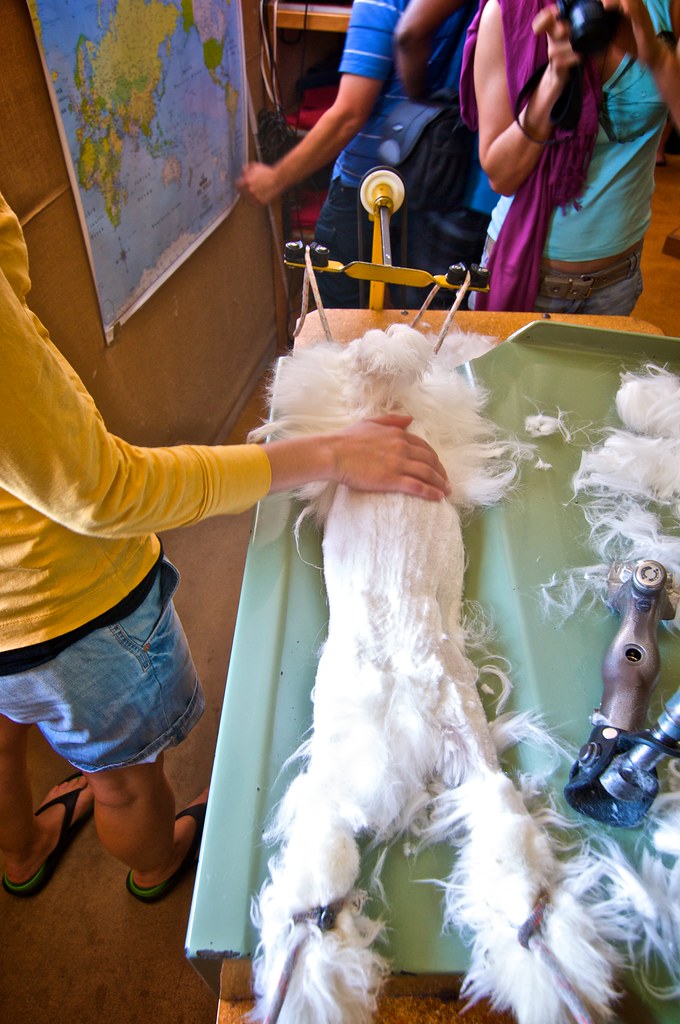
It’s a Sunday afternoon, and you’ve got your Angora rabbit — let’s call her Clover — sitting on your lap like a fluffy cloud that doesn’t want to cooperate. You pick up the slicker brush. She shifts. You try the wide-tooth comb. She shifts again. Twenty minutes later, you’ve collected a small fistful of fur, created three new mats in the process, and Clover is giving you that particular look rabbits do when they’ve completely lost faith in you. You know the one.
I lived in that cycle for about two years before I figured out what was actually going wrong. And here’s the thing — the problem isn’t that you’re brushing too little. It’s that you’re brushing in the wrong order, at the wrong time, with the wrong tools, and possibly approaching the whole session like it’s a chore rather than a negotiation. Long-haired rabbit grooming isn’t a one-step task. It’s closer to detangling a toddler’s hair after a week at summer camp — except the toddler weighs four pounds and can kick surprisingly hard.
1. Understand What You’re Actually Dealing With
Angoras, Lionheads, Jersey Woolies, and other long-haired breeds have fur that mats for a reason. Their coat isn’t like a dog’s or a cat’s — the fibers are finer, softer, and tangle against themselves constantly, especially around high-movement areas: behind the ears, under the chin, along the belly, and near the haunches. Industry surveys of rabbit owners consistently show that matting is the number-one grooming complaint among owners of long-haired breeds, ahead of shedding and nail trimming.
The mat problem gets worse during molting season — and rabbits molt roughly every three months, with the two major molts in spring and fall being particularly intense. During a heavy molt, a rabbit can shed enough fur in a week to stuff a small pillow. If you’re not brushing during that window, the dead fur packs into the live coat and you end up with what groomers sometimes call “packed wool” — a dense, compressed layer sitting against the skin that brushing alone won’t fix.
2. Timing Your Sessions Makes All the Difference
I used to try to brush Clover right after she’d been running laps around the living room. Big mistake. She was still wired, alert, and had zero patience for being handled. Once I switched to brushing her during that post-exercise calm — usually about 45 minutes after her free-roam time — the difference was immediate. She’d stretch out, go almost boneless, and tolerate a full 10-minute session without trying to bolt.
Short sessions beat long ones, every time. Aim for 8 to 12 minutes, three to four times per week for a standard long-haired rabbit. During molt season, bump that up to daily — even if it’s just five minutes of working through the major tangle zones. Trying to do a 40-minute “catch-up” session after two weeks of skipping is the fastest way to stress out your rabbit and make them associate grooming with something awful.
3. Build Your Tool Kit Before You Touch the Fur
You need at minimum three tools, and they’re not interchangeable:
- A wide-tooth comb (metal, not plastic — plastic creates static, which makes fine fur cling and tangle more): for initial passes and working through moderate tangles gently.
- A slicker brush with flexible pins: for the final smoothing pass and for pulling out loose, dead fur from the outer coat.
- A mat splitter or small seam ripper: for actual mats that the comb can’t get through without tearing. A seam ripper — the kind sold at any fabric store for a couple of dollars — works just as well as a specialty mat tool and costs far less.
One thing I wish someone had told me earlier: a fine-mist spray bottle with plain water is your best friend. Lightly misting the fur before you comb reduces static, softens minor tangles, and makes the whole process smoother. Don’t soak the coat — you’re going for barely damp, not wet. Wet fur on a rabbit can cause chilling, and it’s harder to work through than dry fur anyway.
4. Work From the Bottom Up, Not the Top Down
This is the single biggest technique shift that changed everything for me. Most people — myself included, for way too long — start at the top of the coat and drag the comb downward. That approach pushes tangles deeper toward the skin and compresses them. Instead, part the fur in layers and work from the skin outward.
Here’s how the sequence actually goes:
- Use one hand to gently hold the base of a section of fur (this prevents the comb from yanking against the skin).
- Start combing just the outer inch or two of the fur — the tips.
- Once the tips move freely, work your way back toward the skin in short strokes.
- Only when a full section is tangle-free do you move to the next.
It takes longer per session at first. But you stop creating new mats while trying to fix old ones, which is the main reason most people feel like they’re going in circles.
5. What to Actually Do About Existing Mats
Here’s where a lot of well-meaning advice goes sideways: never pull a mat straight out with a brush or comb. The fur isn’t what tears — the skin does. Rabbit skin is notoriously fragile, and a hard yank on a mat can cause what’s called a “brush burn” — a raw, painful strip of irritated skin that can get infected if left untreated.
For small mats (about the size of a pencil eraser), use your fingers first. Work the mat between your thumb and index finger, pulling apart the outer fibers slowly before introducing the comb. For larger mats, use a mat splitter or seam ripper to divide the clump into two or three smaller sections, then work each one separately. If a mat is tight against the skin and you can’t get a finger underneath it, that’s a job for a rabbit-savvy groomer or a vet — not a home brush session.
What Doesn’t Work (And Why I’m Done Pretending It Might)
There’s a lot of grooming advice floating around that sounds reasonable but falls apart in practice:
- “Just brush once a week and you’ll be fine.” Not with a long-haired breed during molt season. Once a week is a maintenance schedule for a short-haired rabbit. For an Angora or Jersey Woolie, once a week means you’re spending 30 minutes every Sunday undoing five days of mat formation — and your rabbit learns to dread the whole thing.
- Detangling sprays marketed for dogs or cats. Some contain ingredients — like certain essential oils — that are safe for dogs but toxic to rabbits, who groom themselves and ingest whatever’s on their coat. Unless a product is specifically labeled safe for rabbits, skip it. Plain water does the job without the risk.
- Grooming gloves as a primary tool. They’re fine for short-haired breeds. On long fur, they create static, catch and pull, and do almost nothing for tangles below the surface layer. They feel like you’re doing something — but you’re mostly just petting your rabbit and calling it grooming.
- Waiting until the mat is “bad enough to deal with.” There’s no such threshold where a mat suddenly becomes easier to remove. The longer it sits, the tighter it binds, the closer it pulls to the skin, and the more stressful the removal session becomes — for you and for the rabbit.
6. A Real Week in Practice (Imperfections Included)
This past February, I tracked a full week of grooming sessions with Clover during her spring pre-molt. Here’s what actually happened:
Monday: 9 minutes. Found a small mat under her left ear, split it with the seam ripper, worked it out. She was cooperative for the first six minutes, then done. Left the belly section for the next day.
Tuesday: She didn’t want to be held at all — she’d been startled earlier by a delivery truck and was still jumpy. I did four minutes of very light brushing on her back only, then stopped. Not every session goes to plan.
Wednesday: 11 minutes. Best session of the week. Hit the belly, the haunches, and behind both ears. Collected about half a cup of loose fur in the slicker brush — a sign the molt was starting early.
Thursday and Friday: Short sessions, 6 minutes each. Maintenance passes, no significant tangles.
Weekend: Skipped Saturday (out of town). Sunday was a 14-minute catch-up that found two small new mats on the lower back — directly because of the missed day. That’s not a guilt trip; that’s just how fast long fur moves during molt.
The week wasn’t perfect. But by not skipping more than one day in a row and keeping sessions short, I didn’t end the week fighting a coat full of compressed wool. That’s the actual goal.
Your Next Three Days
Don’t overhaul everything at once. Instead, pick one small thing from this article and do it in the next 72 hours:
- Today: Check your tool kit. If you’re using plastic combs or grooming gloves as your main tool, order a metal wide-tooth comb. They cost about $8 to $12 at most pet supply stores or online.
- Tomorrow: Time your next grooming session to start 30 to 45 minutes after your rabbit’s active period — not before, not during. Notice whether they settle faster than usual.
- This week: Pick the one area of your rabbit’s coat that always seems to mat first — behind the ears, belly, wherever — and spend the first two minutes of every session on that spot before moving anywhere else. Don’t wait for the mat to form. Get there first.
Clover is four years old now and genuinely tolerates brushing — not because she became a different rabbit, but because the sessions got shorter, more predictable, and stopped hurting. That’s the whole game.

Publicar comentário